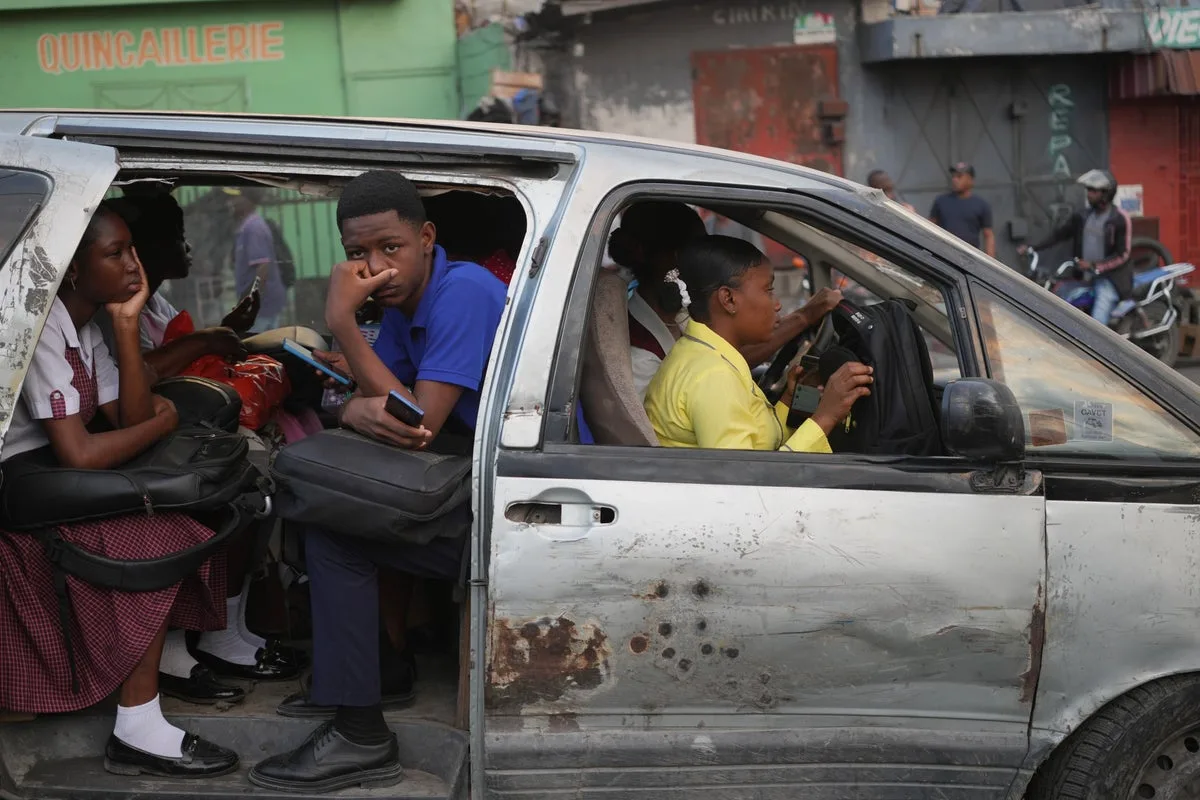
Haiti Announces Austerity Measures as Iran War Disrupts Global Oil Market
Haiti's government has declared the implementation of new austerity measures in response to the ongoing war in Iran, which is severely disrupting critical oil supplies and causing a sharp increase in prices worldwide. The announcement was made on Tuesday, 31 March 2026, as officials grapple with the economic fallout from the conflict.
Specific Austerity Actions Unveiled
In a bid to mitigate the impact, Haitian authorities have imposed a comprehensive ban on the purchase of any new vehicles. Additionally, fuel expenditures for public institutions will be significantly reduced, and foreign travel will now be strictly limited to essential missions that require explicit authorization from the prime minister.
Security protocols are also being tightened, with escorts restricted to a single vehicle. This measure is particularly notable in a nation where gangs are estimated to control approximately 90% of the capital, Port-au-Prince, along with extensive rural areas, posing significant safety challenges.
Government Statement on Economic Necessity
A statement signed by Prime Minister Alix Didier Fils-Aimé emphasized that these austerity steps are essential to "anticipate serious repercussions on the already fragile macroeconomic balance and public finances in particular." The government asserted that it has "no choice but to further reduce state spending" in light of the escalating global crisis.
Broader Context of Haiti's Struggles
The austerity measures come at a time when poverty in Haiti has deepened significantly. This deterioration is largely attributed to gangs expanding their control over more territory following the assassination of President Jovenel Moïse in July 2021, exacerbating the country's pre-existing economic and social vulnerabilities.
Global Responses to the Iran War
As the war in Iran continues to rage, countries around the world are adopting various strategies to cope with the economic strain. For instance, some nations have shifted to a four-day work week as part of broader efforts to adjust to the disrupted oil supplies and rising costs, highlighting the widespread impact of the conflict on global economies.