

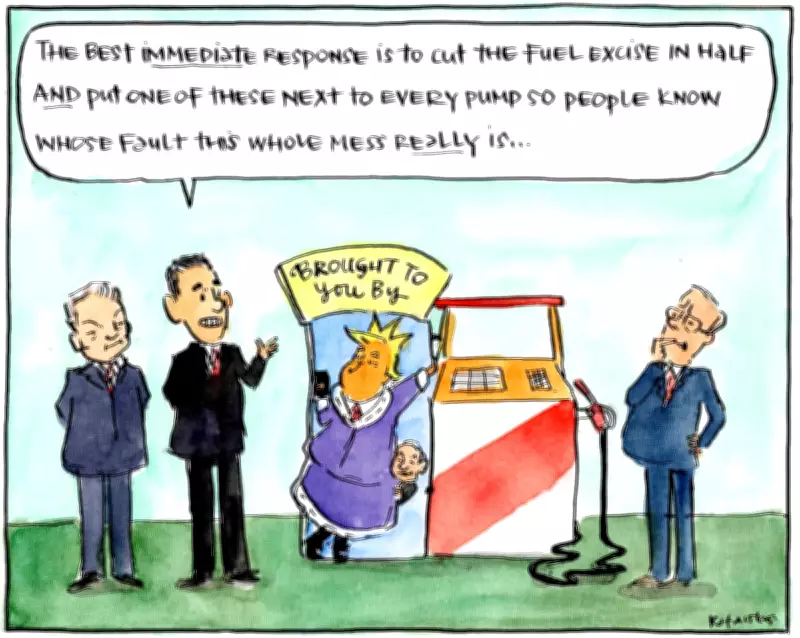
Government Confronts Growing Voter Fury Over Petrol Price Hikes
In a climate of escalating economic strain, the government is grappling with intensifying voter anger as petrol prices continue their relentless upward trajectory. This surge in fuel costs has become a flashpoint for public discontent, with many households feeling the pinch at the pump and demanding immediate governmental intervention.
The Scale of the Crisis
Recent data indicates that petrol prices have reached unprecedented levels, contributing significantly to the broader cost-of-living crisis. Consumers across the nation are reporting increased financial pressure, with fuel expenses eating into disposable incomes and affecting daily commutes, business operations, and overall economic mobility. The situation has sparked widespread frustration, particularly among low- and middle-income families who rely heavily on personal vehicles for work and essential travel.
Public Outcry and Political Fallout
The mounting voter anger is not just a matter of personal finance; it has evolved into a potent political issue. Critics argue that the government's current policies are inadequate to address the root causes of the price hikes, which include global oil market fluctuations, supply chain disruptions, and domestic taxation structures. Protests and public campaigns have emerged, calling for measures such as temporary fuel duty cuts, subsidies for essential drivers, and long-term strategies to stabilise the market.

Potential Government Responses
In response to the outcry, policymakers are under pressure to explore a range of options. These could include:
- Immediate Relief: Implementing short-term measures like reducing fuel duty or offering targeted rebates to mitigate the impact on vulnerable groups.
- Regulatory Adjustments: Reviewing and potentially reforming taxation and regulatory frameworks to create a more resilient fuel pricing system.
- Long-Term Solutions: Investing in alternative energy sources and infrastructure to reduce dependency on petrol, thereby cushioning against future price shocks.
- Transparency Initiatives: Enhancing public communication about the factors driving price increases and the steps being taken to address them.
Broader Economic Implications
The petrol price crisis is intertwined with larger economic challenges, including inflation and stagnant wage growth. Experts warn that without decisive action, the situation could exacerbate social inequalities and undermine economic recovery efforts. The government's handling of this issue is likely to influence voter sentiment in upcoming elections, making it a critical test of leadership and policy effectiveness.
As the debate rages on, the central question remains: what else can the government do to quell voter anger and provide tangible relief? With public patience wearing thin, the need for innovative and compassionate solutions has never been more urgent. The coming months will be pivotal in determining whether current strategies can adapt to meet the demands of an increasingly frustrated electorate.






