

Global Energy Crisis Escalates as Middle East Conflict Disrupts Supply Chains
The economic repercussions of the ongoing war in the Middle East are reverberating across the globe, compelling governments to enact stringent emergency measures to mitigate soaring energy costs and safeguard fragile economies. From Asia to Europe and beyond, nations are grappling with severe supply chain constraints triggered by the Strait of Hormuz crisis, which has propelled oil and gas prices to alarming heights.
Egypt Implements Drastic Energy Conservation Measures
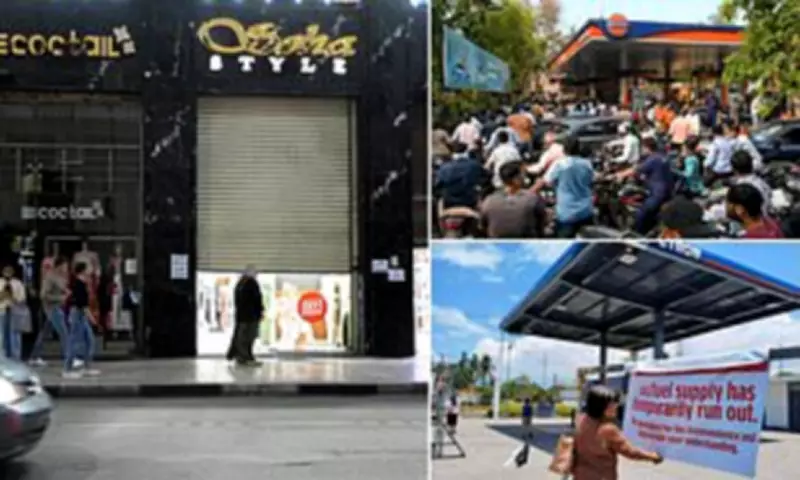
In Egypt, authorities have moved swiftly to address the spiraling costs of energy consumption. Prime Minister Mostafa Madbouly announced a mandatory early closure policy for commercial establishments, including shops, restaurants, and shopping malls. These venues must now close by 9:00 PM on weekdays, with a slight extension until 10:00 PM permitted on Thursdays and Fridays. This measure will remain in effect for at least one month as Cairo braces for the worst-case scenario amid the unpredictable conflict.
The urgency stems from Egypt's monthly energy bill, which has skyrocketed from £420 million prior to the war to a staggering £1.25 billion for the same quantity of energy. This dramatic increase underscores the severe financial strain imposed by disruptions to the Strait of Hormuz, a critical maritime passage responsible for transporting approximately one-fifth of the world's crude oil and liquefied natural gas.

Australia and South Korea Respond to Fuel Price Surges
On the opposite side of the world, Australia has introduced significant interventions to alleviate pressure on consumers. Prime Minister Anthony Albanese revealed that the fuel tax of 52 cents per litre will be halved for a three-month period, a relief measure projected to cost the government $1.75 billion. Albanese emphasized that this decision aims to support Australians facing serious financial pressure due to surging petrol prices.
Concurrently, authorities have encouraged motorists to limit non-essential travel, with Victoria and Tasmania offering free public transport to reduce demand. The Australian parliament has also advanced legislation empowering the government to underwrite fuel purchases to bolster national reserves, which currently stand at 39 days of petrol and 30 days of diesel supply.
In South Korea, officials are preparing for even stricter contingencies should the crisis intensify. Finance Minister Koo Yun-cheol warned that a mandatory five-day rotating ban on vehicle use, currently applicable only to public sector cars, could be extended to private vehicles if oil prices exceed $120 per barrel. Under this system, vehicles would be prohibited from operating one day each week based on their licence plate numbers, a measure designed to curb demand amidst escalating prices.
Asia-Wide Energy Shortages Prompt Innovative Solutions
Across Asia, nations heavily reliant on Middle Eastern energy imports are implementing diverse strategies to cope with shortages:
- Sri Lanka has adopted a four-day working week to conserve fuel.
- Myanmar restricts private vehicles to alternate days of operation.
- Bangladesh enforces rolling blackouts and adjusted holiday schedules.
- The Philippines limits non-essential travel for public sector workers.
- Vietnam promotes cycling, car-sharing, and public transport over private vehicle use.
Thailand has introduced additional measures, including encouraging lighter office attire to reduce air conditioning usage and imposing fuel restrictions at petrol stations. In a notable incident in Bangkok, a temple worker transporting a body for cremation was compelled to open a coffin to prove his need for diesel after being denied fuel. Prime Minister Anutin Charnvirakul apologized for the public disruption, expressing hope for a swift resolution to the conflict.
Global Economic Fallout and International Coordination
The supply squeeze has driven oil prices above $100 per barrel, generating ripple effects through global supply chains and financial markets. In Britain, diesel prices approach £2 per litre, prompting some small petrol station owners to cease operations rather than impose such high costs on customers.

G7 ministers and central bank officials convened in Paris to address the escalating crisis. French Finance Minister Roland Lescure highlighted the multifaceted consequences, stating, "We know that what's happening now in the Gulf is having energy consequences, economic consequences, financial market consequences and potentially inflation consequences." The meeting included representatives from the International Energy Agency, the Organisation for Economic Co-operation and Development, the International Monetary Fund, and the World Bank, underscoring the global scale of the challenge.
As nations worldwide navigate this unprecedented energy crisis, the interconnectedness of global economies becomes increasingly evident. Governments continue to monitor developments closely, exchanging diagnoses and strategies to mitigate disruptions while preparing for potential escalations in the Middle East conflict.





