

Fuel Surcharges Hit Businesses as Iran War Drives Oil Price Surge
Businesses throughout the United States are beginning to add fuel surcharges to product deliveries as oil prices escalate sharply amid the ongoing Iran war. With President Donald Trump continuing his military campaign alongside Israel in the Middle East, Americans are increasingly feeling the economic strain of the conflict at home. Oil prices have surged both domestically and internationally, creating significant challenges at the petrol pump and broader repercussions for the agriculture and food industries.
Soaring Fuel Costs and National Impact
The national average price for regular gasoline has climbed to over $4 per gallon, according to the American Automobile Association, marking the highest level since 2022. Diesel fuel prices are even more elevated, reaching approximately $5.45 per gallon. This dramatic increase is directly linked to the U.S.-Israeli strikes that commenced at the end of February and have persisted throughout March, with Central Command reporting attacks on at least 10,000 targets, and no clear end to the hostilities in sight.
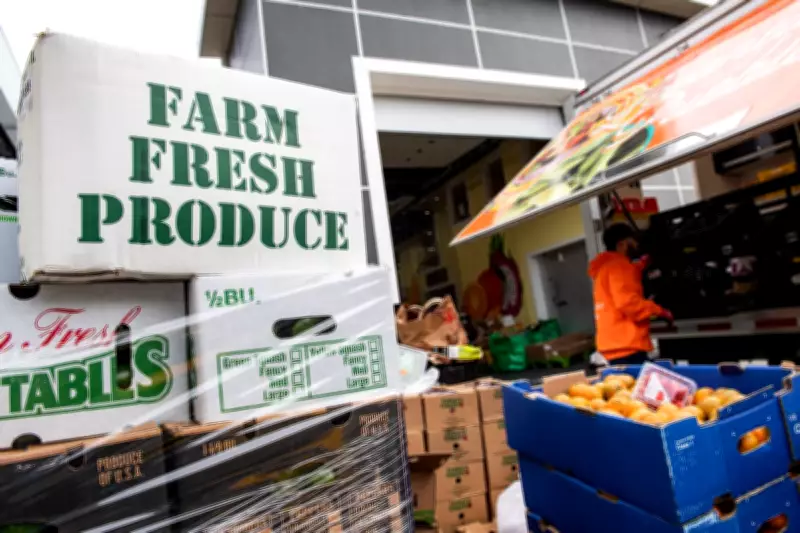
These rising fuel costs are translating into higher expenses for consumers, particularly in the grocery sector. It requires substantial amounts of fuel to cultivate produce, raise livestock, and transport food to stores and restaurants. Consequently, Americans can expect their grocery bills to increase as these additional costs are passed down the supply chain.

Specific Industry Examples and Surcharge Implementation
The wholesale price of fresh salmon has already risen from $6.25 per pound in February to $6.48 per pound, as reported by The New York Times. Janice Schreiber from Expana, a market data provider for the agriculture and food industries, detailed how fuel surcharges are being applied at multiple stages during salmon delivery. "It all has to be done rather quickly, and at each of the different points, there is a fuel surcharge being added," Schreiber explained, noting that this is occurring during one of the peak demand periods for salmon, just before Easter.
Small businesses are especially vulnerable to these economic pressures. Jesse Filion, who operates a family business raising chicken, pigs, and cattle in Walterboro, South Carolina, has instituted a $5 fuel surcharge for deliveries to homes and about twenty restaurants. "The surcharge is a way to be transparent, but also to cover some of the increased fuel prices that we're seeing," Filion stated.
Broader Economic Consequences and Historical Context
The Independent Grocers Alliance highlighted last week that fuel-related expenses can constitute between 15 to 30 percent of the total cost for certain food products. Based on historical averages, the group indicated that for every 10 percent increase in fuel costs, food prices typically rise by 2 to 3 percent. This situation is compounded by the fact that many small businesses are still recovering from the disruptions caused by Trump's tariffs on imports, which previously strained global supply chains, though the Supreme Court overturned these sweeping tariffs last month.
Beyond the food industry, other sectors are also adjusting to the heightened fuel prices. The U.S. Postal Service recently announced a temporary price adjustment to better align its transportation costs with market conditions. This change involves an 8 percent increase affecting base postage rates for services including Priority Mail Express, Priority Mail, USPS Ground Advantage, and Parcel Select.
As the Iran war continues without a foreseeable resolution, businesses and consumers alike are bracing for sustained economic challenges. The implementation of fuel surcharges represents a direct response to the escalating oil prices, underscoring the far-reaching impact of international conflicts on domestic economies and everyday living expenses.






