Chancellor Rachel Reeves is facing intense pressure to abandon her scheduled fuel duty increase after nearly 500 haulage industry leaders issued a stark warning that the move could push thousands of businesses "to the brink." In a letter obtained by the Mail, the bosses caution that the tax hike will exacerbate cost-of-living pressures for everyday consumers and drive up inflation, as fuel costs have already surged by 40 percent due to the conflict involving Iran.
Industry Leaders Sound Alarm on Economic Impact
The letter, coordinated by the Road Haulage Association (RHA) and signed by 475 executives, argues that reversing the current 5p per litre fuel duty relief—originally implemented by the Conservatives in 2022 following Russia's invasion of Ukraine—is ill-timed. This reversal would add an average of over £3 to the cost of filling up a vehicle. The haulage bosses emphasize that commercial vehicles, which transport approximately 80 percent of Britain's goods and contribute more than a third of fuel duty revenues, are disproportionately affected by rising fuel expenses.
Inflationary Pressures and Consumer Costs
Richard Smith, chief executive of the RHA, highlighted the broader economic ramifications, stating, "These increases are inflationary, pushing up the cost of everything from food to construction." He urged the Chancellor to act promptly, noting that many other nations have already implemented measures to support their transport sectors during global energy crises. The letter explicitly warns, "We cannot afford another inflation crisis caused by the cost of fuel," and calls for an end to the planned duty increases to prevent higher prices on supermarket shelves and other consumer goods.
Soaring Pump Prices and Global Context
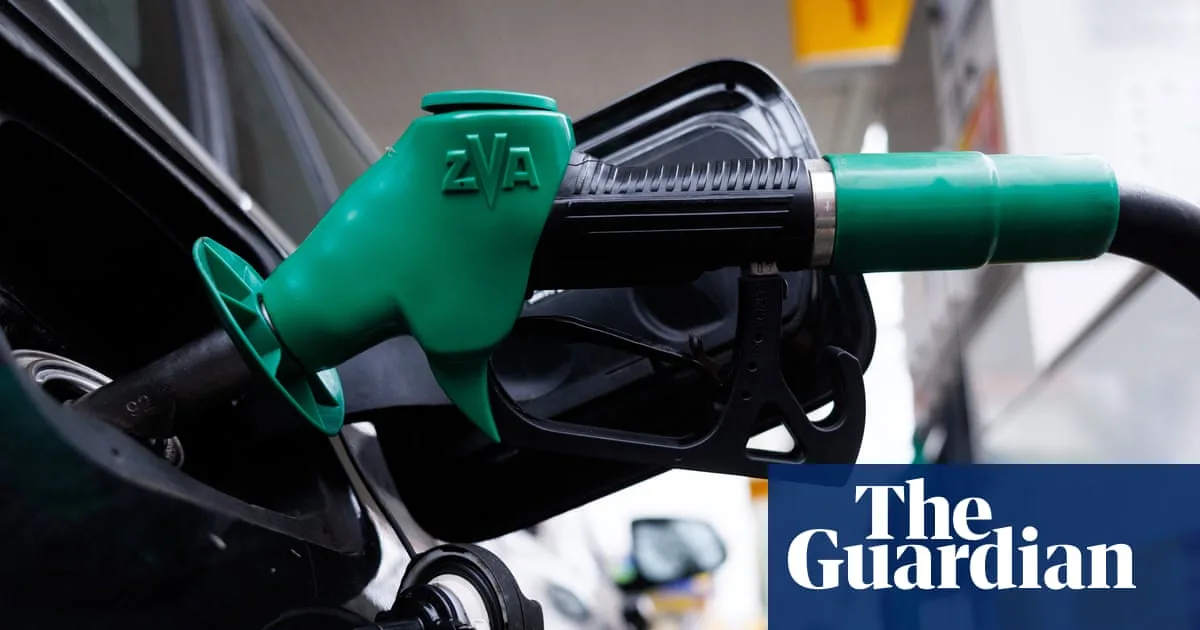
Recent data underscores the severity of the situation. According to the RAC, diesel prices have risen daily for 40 consecutive days, a streak not seen in over a decade, with average forecourt prices reaching 191.31p per litre—a 34 percent increase since the conflict began on February 28. Petrol prices have also climbed to 158.16p per litre, marking a 25 percent rise. Filling a typical 55-litre family car with petrol now costs £87, up £14 from pre-conflict levels, while diesel fill-ups have soared to £105, an increase of £27.
Amid spiraling global oil prices triggered by the Gulf conflict, most governments worldwide have reduced fuel taxes to alleviate pressure on motorists and curb inflation. However, Ms. Reeves and Prime Minister Sir Keir Starmer have consistently rejected calls to scrap the hike, which is set to take effect in September. Sir Keir recently described the US-Iran ceasefire as "fragile," suggesting that oil price volatility may persist for weeks, delaying potential relief at the pumps.
Political Opposition and International Comparisons
The planned increase has drawn criticism from across the political spectrum. Reform UK, the Conservatives, and the Liberal Democrats have all urged Labour to abandon the hike, with Liberal Democrat leader Sir Ed Dabey advocating for a 10p per litre cut instead. Daisy Cooper, the party's Treasury spokeswoman, accused the Chancellor of "playing a dangerous game with the economy," warning that the move could force small firms into financial distress and drive food prices higher.
Internationally, several European countries have taken proactive steps to assist motorists. Spain established a £4.3 billion fund to reduce VAT on fuel by approximately 26p per litre, while Portugal and Sweden introduced similar initiatives. Nations like Croatia, Greece, Austria, and Hungary have implemented caps on pump prices or forecourt profits, with Austria also reducing petrol taxes and Germany restricting price hikes to once daily. Last month, Australia announced temporary reductions in petrol and diesel excise duties.
Broader Implications for Households and Businesses
Edmund King, president of the AA, emphasized that households continue to feel the financial strain from the conflict and require additional support to manage costs. Simon Williams of the RAC noted the unprecedented daily price increases for both petrol and diesel, comparing the current trend to previous records. The Treasury has not yet commented on the haulage industry's appeals, leaving businesses and consumers in suspense as the September deadline approaches.
The ongoing debate highlights the delicate balance between fiscal policy and economic stability, with haulage leaders and political opponents arguing that the fuel duty hike could undermine recovery efforts and intensify inflationary pressures across the UK economy.