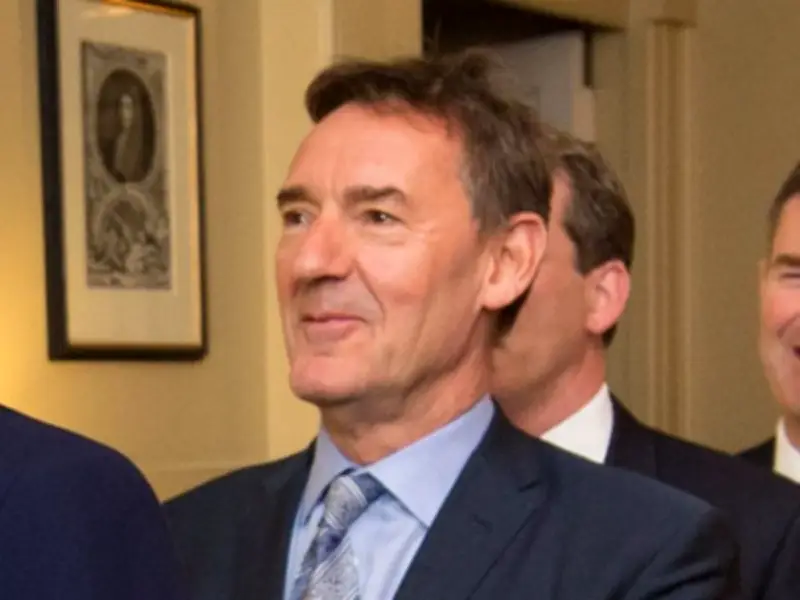
Economist Jim O'Neill has welcomed the news that Chancellor John Healey has ruled out raising capital gains tax (CGT) to the same levels as income tax. Lord O'Neill of Gatley, who advised Andy Burnham when he was mayor of Greater Manchester, said significant tax rises could 'screw up' any progress made in terms of the UK's growth and productivity levels.
Reports on CGT rise
Reports earlier this week suggested that senior members of the cabinet were supporting a rise in CGT in the budget, which would have hit property owners looking to sell up. The Chancellor could still opt for a smaller increase in CGT, which is currently charged at 24 per cent for higher-rate taxpayers on the profits of asset sales, compared with up to 45 per cent for income tax. The budget is due to be delivered on October 28.
Speaking at a Treasury Committee on Wednesday, Lord O'Neill of Gatley said the UK could be seeing annual growth of two per cent or more.
Lord O'Neill's warning
“The most important thing is that this budget doesn’t screw anything up,” he said. “There are some encouraging trends and the last thing the budget should be doing is interrupting them. Any tax rises should be thought through more carefully than before, especially CGT.”
The Iran war has blown a huge hole in Britain’s finances, halving the country’s fiscal headroom to £12billion. Mr Healey wants to deliver a ‘breathing space’ budget that is also a ‘steady the ship’ moment in the face of these international crises.
Economic outlook and devolution
Lord O'Neill said the bond markets were encouraged by Mr Burnham’s leadership, and that the UK was doing better than most of the countries in the G7. The former Goldman Sachs chief economist is a passionate advocate for economic and political devolution in the UK, viewing it as essential for regional as well as national growth.
However, he has previously suggested Mr Burnham’s ‘growth in every postcode’ strategy is not realistic. “A better strategy would be getting the 10-year gilts down 200 basis points,” he told the committee. He said that it could go wrong if power was given to regions without the right capabilities to spend taxpayers’ money.
“It’s being used in the context of giving devolved powers which… is a very dangerous path to go [down],” he said. “It opens the doors for every part of England, and maybe others, saying ‘Ah! Give me some money’ – whether they have the capacity or ability or desire to take responsibility that goes with it among the many questions. If that’s going to be at the centre of your approach to achieve greater national growth, you need to really prioritise the places that are going to matter.”
He also pointed out that while London’s own growth was ‘very weak’ in the past 15 years, ‘it’s still the case that London is the same size as the next eight most important places put together'. Lord O'Neill urged Mr Burnham to step in and stop the capital city from slowing further.