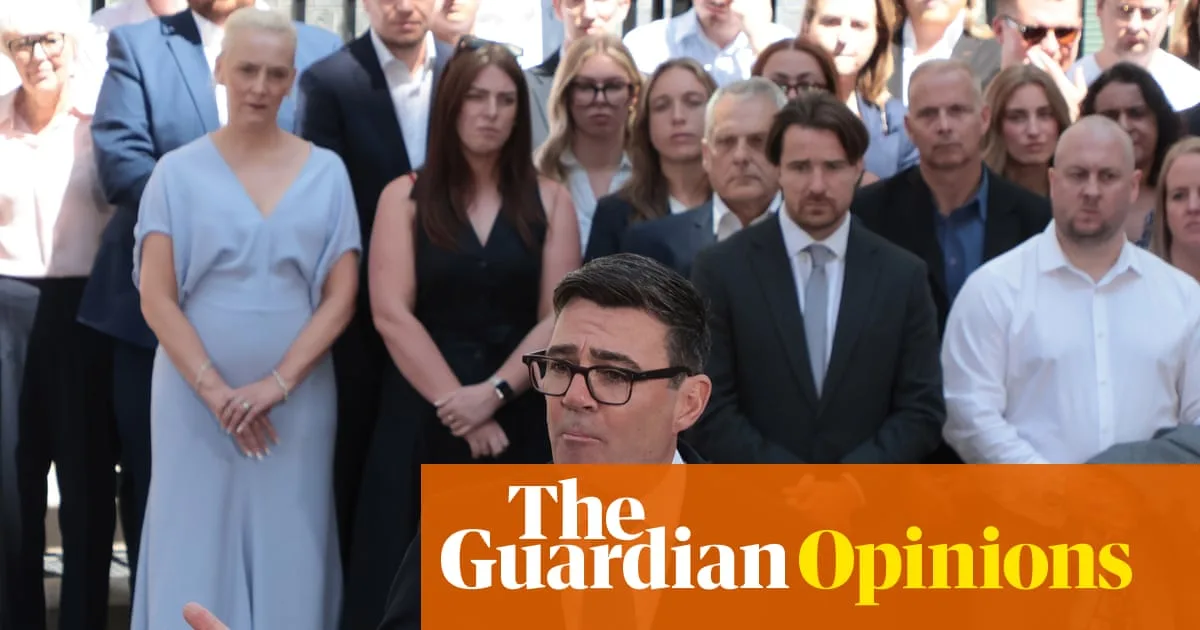
Andy Burnham has become the UK's seventh prime minister in a decade of political instability following the 2016 Brexit referendum. His early priorities are distinctly domestic, focusing on devolving power to regions and cities and extending state control over key industries, rather than foreign policy. Yet analysts suggest his economic agenda may inadvertently bring the UK into closer alignment with Brussels.
Unlike his predecessor Keir Starmer, who was criticised as 'never here Keir' for frequent travel abroad and who trod cautiously in EU relations to avoid angering Labour Leave voters, Burnham could review the party's entrenched red lines on the single market, customs union and freedom of movement. His approach may be less overtly pro-European in rhetoric, but his actions could prove more consequential.
The UK's economic stagnation and declining relative living standards are partly attributed to Brexit's dampening effects on trade and investment. With the EU remaining Britain's main export market, closer engagement is seen by many as a no-brainer for restoring healthier growth, even before considering security and geopolitical imperatives.
European governments have signalled receptiveness to cooperation on defence and security, but remain wary of UK attempts to cherry-pick benefits without accepting responsibilities like budget contributions or free movement. Notably, Burnham's ambition for 'sovereign capabilities' in sectors from shipbuilding to AI mirrors EU plans for 'strategic autonomy', a similarity highlighted by Joël Reland of the UK in a Changing Europe thinktank.
Burnham also confronts challenges familiar to his continental peers, including resurgent national populism, immigration backlash and public anger over living standards and public services. With geopolitical tensions involving Russia, the US and China, aligning with pro-European liberal democratic forces is increasingly seen as both a political and security necessity.