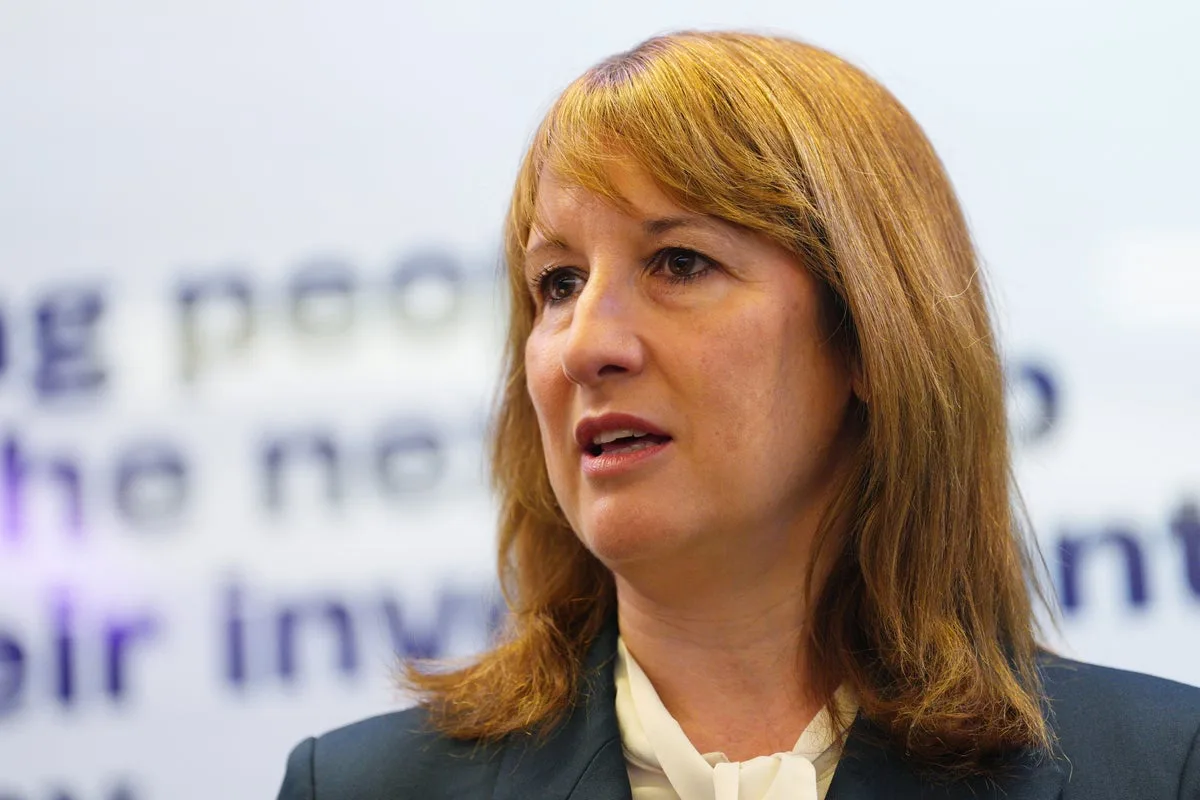
Rachel Reeves’ cost of living package, unveiled last week, has already been rendered meaningless by Ofgem’s announcement that the energy price cap will rise by 13 per cent, more than four times the rate of inflation. The chancellor’s measures, described by some as a “mini Budget,” have been criticised as insufficient to address the real financial pressures facing households.
Reeves’ announcements included free bus travel for under-16s and VAT cuts on theme park and attraction tickets during the summer holidays. While helpful for some, these measures do little to tackle the major cost of living issues. The only significant change was an increase in the mileage allowance for tax purposes from 45p to 55p per mile, aimed at supporting tradespeople.
The chancellor avoided dealing with energy bills, despite the looming 13 per cent rise. She pointed to £150 in reductions from her December Budget, but these will be outweighed by an average £200 increase in bills this autumn. The reluctance to intervene stems from the legacy of Liz Truss’s mini-Budget, which included a massive energy bailout that spooked markets and led to the government’s collapse.
Reeves had little room for manoeuvre, both economically and politically. The government is under pressure, with a by-election in Makerfield looming and civil servants reportedly waiting to see who will be in charge by year’s end. Additionally, global factors such as Trump’s Middle East war have pushed up energy bills, straining the £20bn headroom Reeves had set aside.
The political fallout is clear: an already unpopular Labour government will face further voter anger when higher bills arrive. Tony Blair has also criticised the government’s energy agenda, particularly Ed Miliband’s Net Zero policies, which are seen as unhelpful when money and political capital are scarce. Whoever runs the Treasury by winter will need to find a way to reduce energy bills without bankrupting the country.