

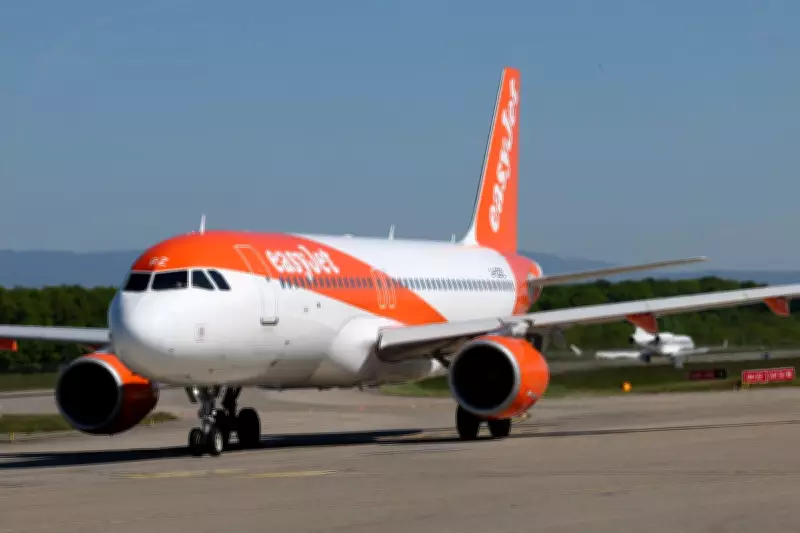
EasyJet, Britain's largest budget airline, has reassured passengers that it intends to operate its full summer schedule, despite concerns over potential aviation fuel shortages linked to the ongoing Iran conflict.
Chief executive Kenton Jarvis told the BBC Today programme: "We've seen absolutely no issues with fuel supply at any of our airports in the UK, across Europe, or indeed beyond. We stay in very close contact with our fuel suppliers, airports, governments, and they are equally raising no issues looking forward."
He acknowledged that less oil is coming from the Gulf region but emphasised that fuel suppliers have diversified successfully, with increased production in Norway, West Africa, and the Americas. Refining capacity for jet fuel outside the Gulf has also grown substantially.

In March, the airline reduced available seats by 0.3% due to high fuel prices. However, Mr Jarvis stated: "At EasyJet, we fully intend to fly the summer schedule that we have on sale."
His comments align with those of Jet2 CEO Steve Heapy, who said on Wednesday: "The current picture is one of increased production and imports, meaning we continue to look ahead with confidence. We have already been very clear about our plans to operate our schedule as normal this summer, and our message to holidaymakers is that summer is on."
EasyJet reported sharply increased losses for the first half of its financial year, covering October 2025 to March 2026. The company lost £552 million, up 40% compared to the same period a year earlier. This equates to an average loss of £13 for each of the 42 million passengers flown.
Mr Jarvis explained: "Airlines typically make losses in the six months to March as they run through the winter and then look to make profits in the summer. We actually saw our airline capacity increase by 4%, and 6% more passengers came with us because the planes were fuller. So demand was there, but the pricing was not increased versus last year."
The carrier has raised its minimum fare and is conducting an "active review of all discretionary cost."
Looking ahead, the EasyJet CEO noted: "Demand seems to be very strong in what we call the late market. As we ran through April, demand was very strong for the month of April. We're seeing it again in May. But as you look further out, people are more cautious. People are waiting and watching, but they are booking as you approach, and I expect that strong late booking market to run through the summer."
EasyJet has 72% of its fuel requirement hedged for the summer months, falling to 53% for the winter season. It has suspended its normal hedging strategy "due to elevated near-term fuel prices."
Mr Jarvis also criticised delays caused by the EU entry-exit system as "completely unacceptable." Since 10 April 2026, all Schengen area frontiers are supposed to be running the digital borders scheme and checking biometrics of third-country nationals, with British travellers comprising the major share. Airlines, including EasyJet, have left passengers behind due to lengthy passport queues on departure from the EU to the UK.
"This is completely unacceptable," Mr Jarvis said. "I'd encourage all the European countries to use the flexibility given to them by the European Commission, that they can phase the introduction of this if they see queues at peak times. They can go back to normal border force control with stamping of passports, so they should use this."
Greece has announced that biometric checks will not be imposed on British arrivals and departures until further notice.






