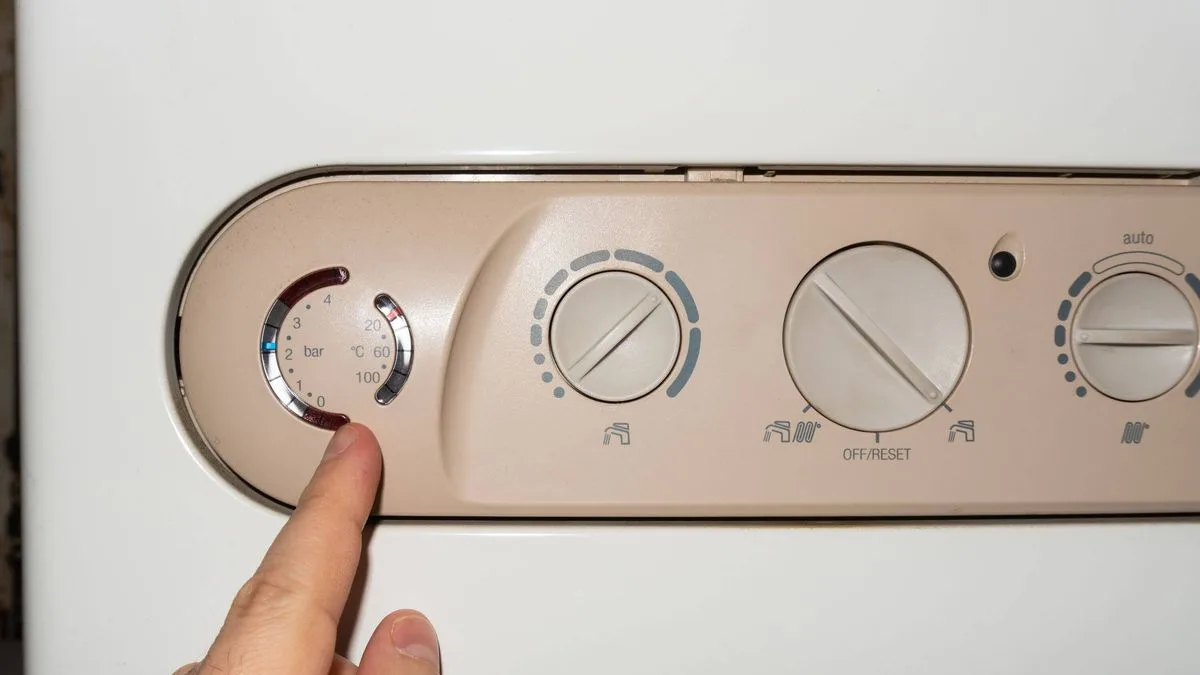
Households drying wet laundry on radiators during unpredictable spring weather are unknowingly straining their boilers and increasing the risk of damp and mould, experts have warned. The stop-start operation of heating systems, combined with moisture from drying clothes, forces boilers to work harder and can lead to pressure issues, trapped air, and sludge build-up.
Martin Lewis' Money Saving Experts advised that ventilation, not heat, is key to drying clothes. One expert noted that people managed to dry laundry before central heating, saying: “Ventilation is the key; the landlord won't thank you for damp, mouldy growth on walls, round windows or in cold corners caused by excess humidity.” They recommended using a dehumidifier or drying clothes in a ventilated bathroom rather than living areas.
Heating specialists BOXT cautioned that erratic weather patterns are placing additional pressure on domestic heating systems. Adam Knight, lead Gas Safe engineer at BOXT, said: “A lot of people assume boilers only come under pressure in winter, but these stop-start weather patterns can actually be just as tough on heating systems. Add in wet washing draped over radiators and boilers are suddenly working much harder than people realise.”
Common warning signs of boiler strain include radiators taking longer to heat up, inconsistent heat distribution, gurgling or banging noises, repeated pressure drops, and unexpected shutdowns. Experts suggest spring and summer are ideal times to address these issues before they escalate into costly winter emergency callouts.
To avoid damage and reduce energy bills, the experts recommend using heated airers, dehumidifiers, or running an extra spin cycle instead of drying clothes on radiators. Poor ventilation when drying indoors can also contribute to mould growth around windows, walls, and ceilings, pushing up energy costs.