

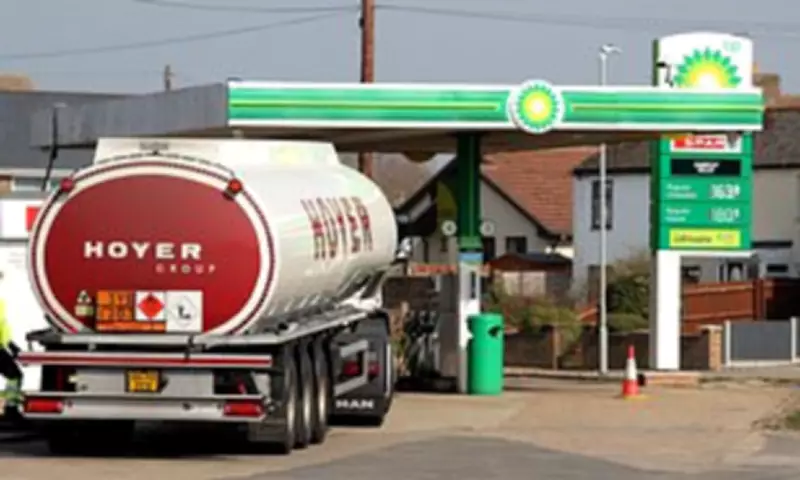
The cost of diesel has surged to its highest level compared to petrol in over two decades, creating severe financial strain for haulage firms, white van operators, and small businesses across the United Kingdom. This dramatic price increase is also set to push up the cost of goods and services for consumers, as the nation grapples with the economic fallout from the ongoing Iran oil crisis.
Record Price Gap Between Diesel and Petrol
According to the latest data, average diesel prices have climbed to 29 pence per litre more than petrol, reaching 181 pence versus 152 pence for petrol. The RAC Foundation reports that this represents the largest gap between the two fuels since at least 2003, with experts warning that these sky-high prices could persist for months. The surge is particularly alarming because diesel powers the vast majority of commercial vehicles, including vans and lorries essential for deliveries and service callouts.
Impact on Businesses and Inflation
Steve Gooding, director of the RAC Foundation, emphasised the severity of the situation. "Diesel is the lifeblood of millions of small businesses, but today white van man is bleeding cash just to stay on the road," he stated. "Whether you drive or not, soaring diesel prices will take money out of your pocket, either at the pump or in the bills you pay for everything from calling out the plumber to getting a home delivery."

The crisis has prompted fresh calls for government intervention. AA president Edmund King highlighted that "the extra hike in diesel prices disproportionally hits businesses, deliveries, the service industry and the self-employed." He urged Chancellor Rachel Reeves to consider cutting fuel taxes, noting that the government is collecting tens of millions in extra VAT receipts due to higher pump prices.
Political Response and Tax Concerns
Despite mounting pressure, the Labour government has so far refused to implement measures to assist drivers since the conflict began. This stands in contrast to several European nations that have either reduced fuel taxes or capped forecourt prices to alleviate the burden on motorists. Furthermore, ministers have confirmed plans to proceed with a 5 pence per litre increase in fuel duty this September, a move announced by Chancellor Reeves last November. This additional levy will add approximately £3 to the cost of a typical fill-up.
Root Causes and Broader Effects
The price spike is largely driven by the UK's heavy reliance on diesel imports, with costs escalating at nearly double the rate of petrol. Oil prices have soared in response to Iran's stranglehold on tankers navigating the Strait of Hormuz, directly impacting wholesale fuel costs. Since the Iran conflict intensified on 28 February, filling an average family car with petrol now costs £10 more, while diesel fill-ups are £20 more expensive.
With around 16.2 million diesel vehicles on UK roads, including most vans and lorries, the repercussions are widespread. Simon Williams of the RAC noted, "The financial strain on the eight-in-10 motorists that tell us they depend on their cars continues to build, and at a particularly rapid rate for those who drive diesel vehicles."
Small Businesses at Risk
A survey conducted by the FairFuelUK campaign group revealed that more than a third of 3,678 sole traders, including bricklayers, plumbers, and electricians, fear that current pump prices could push their businesses to the brink of collapse. Howard Cox, founder of FairFuelUK, called on the government to "commit to maintaining a freeze on fuel duty for the entire duration of this Parliament," a plea backed by the group's 1.8 million supporters.
As the crisis deepens, the combination of record diesel prices, impending tax hikes, and geopolitical tensions threatens to exacerbate inflationary pressures, impacting everything from supermarket goods to essential services. The situation underscores the urgent need for strategic policy responses to mitigate the economic pain felt by businesses and consumers alike.






