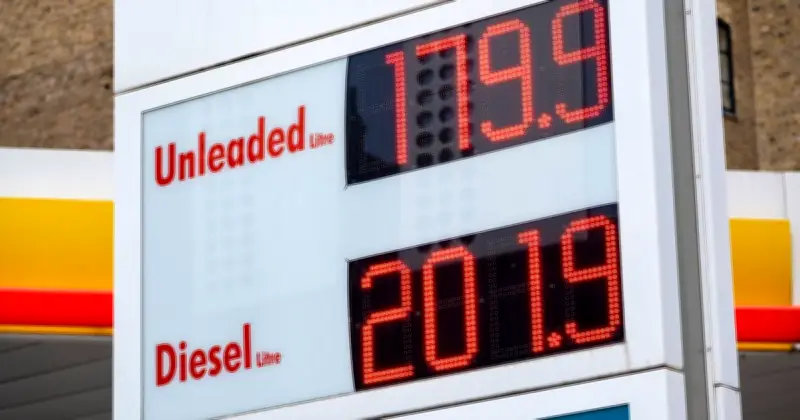
UK motorists could face £165 to fill a family car if fuel prices reach £3 a litre, a financial adviser has warned. Samuel Mather-Holgate, managing director of and an Independent Financial Adviser at Mather and Murray Financial, said a serious escalation in the Middle East conflict could leave households facing another squeeze on their finances.
Diesel has already crossed £2 a litre this month, although prices vary between forecourts. A further rise to £3 is a worst-case scenario rather than a forecast.
What Could Push Prices Higher
Mr Mather-Holgate warned that disruption to oil supplies, shipping problems and a weaker pound could combine to push prices sharply higher. For families who depend on their cars for work, school runs and caring responsibilities, the consequences would stretch far beyond cutting back on occasional journeys.
Fuel could reach £3 in an extreme scenario, according to Mr Mather-Holgate, but it would require a serious deterioration in the energy crisis. He said the biggest concern was further disruption to Middle Eastern oil production and exports, particularly if Saudi Arabian facilities are affected.
He said: “£3 fuel isn't inevitable. It would take a serious escalation in the global energy crisis. But the ingredients for another devastating price shock are already there."
Cost of a Tank if Fuel Hit £3 a Litre
Filling a 55-litre tank from empty would cost £165 at £3 a litre, compared with £110 at £2. At £2.50 a litre, the same fill-up would cost £137.50. A driver buying 55 litres every week would therefore spend an extra £2,860 over a year if the price rose from £2 to £3 and stayed there.
Petrol drivers would also face a substantial increase: at an illustrative £1.75 a litre, 55 litres costs £96.25, almost £69 less than at £3.
Mr Mather-Holgate said: “For millions of working families, that isn't an inconvenience. It's a financial hammer blow. You can cancel Netflix or skip the occasional takeaway, but you can't simply stop driving to work."
Effects on Businesses and Forecourts
A sustained rise could increase costs for businesses transporting goods, potentially feeding through to household shopping bills. Mr Mather-Holgate warns that motorists would not be the only people affected. Businesses relying on vans, lorries and deliveries would face higher operating costs, adding pressure to pass those increases on to customers.
He added: “Higher fuel costs mean more expensive supermarket deliveries, rising transport charges and increased operating costs for small businesses. Eventually, those increases find their way into the prices we all pay."
Higher costs could reach forecourts within days or weeks of a major shock, Mr Mather-Holgate warned, although the timing and scale would depend on what happens to supplies and markets.
The outlook could also improve if tensions ease and oil supplies recover and the Budget on Wednesday saw the 5p-per-litre cut on fuel duty extended until July. His warning is about what households could face if conditions worsen, rather than a claim that £3 fuel is certain this winter.
Mr Mather-Holgate continued: “Nobody can predict exactly what happens next. If tensions ease and oil supplies recover, prices could stabilise or fall."
For drivers concerned about their budget, the immediate step is to compare nearby forecourt prices and calculate how much a further rise would add to their usual weekly fuel spend.