

Diageo Reduces Dividend and Lowers Forecasts Amid Market Challenges
The global spirits giant Diageo, renowned for producing Guinness, has announced a significant reduction in its shareholder dividend and a downward revision of its annual sales and profit forecasts. This marks the second such adjustment within a four-month period, driven by lacklustre performance in key markets like the United States and China.
New CEO Dave Lewis Takes Decisive Action
Under the leadership of newly appointed Chief Executive Dave Lewis, who assumed the role in January, Diageo has halved its dividend to 20 cents per share from 40.5 cents. Lewis, previously known as "Drastic Dave" for his cost-cutting measures at Unilever, described the decision as difficult but necessary to address competitive pressures and invest in business capacity.
In a recent webcast, Lewis highlighted the intensity of his initial weeks, emphasising that the North American market faces particular challenges. He stated, "This is not an easy decision to make, but we believe it is the right one. Our portfolio needs some time and investment to make it more competitive."

Factors Impacting Diageo's Performance
Diageo is contending with multiple headwinds, including the lingering effects of tariffs imposed during Donald Trump's presidency, tightened household budgets, and evolving consumer preferences. The rise in popularity of GLP-1 weight loss medications and a trend towards reduced alcohol consumption among younger demographics have further complicated the landscape.
Despite stable spirits consumption, Lewis noted a shift in consumer behaviour, with individuals opting for fewer drinks per occasion. He attributed this change to significant pressure on disposable incomes, prompting the company to consider offering smaller product packs as a strategic response.
Guinness Faces Capacity Constraints in London
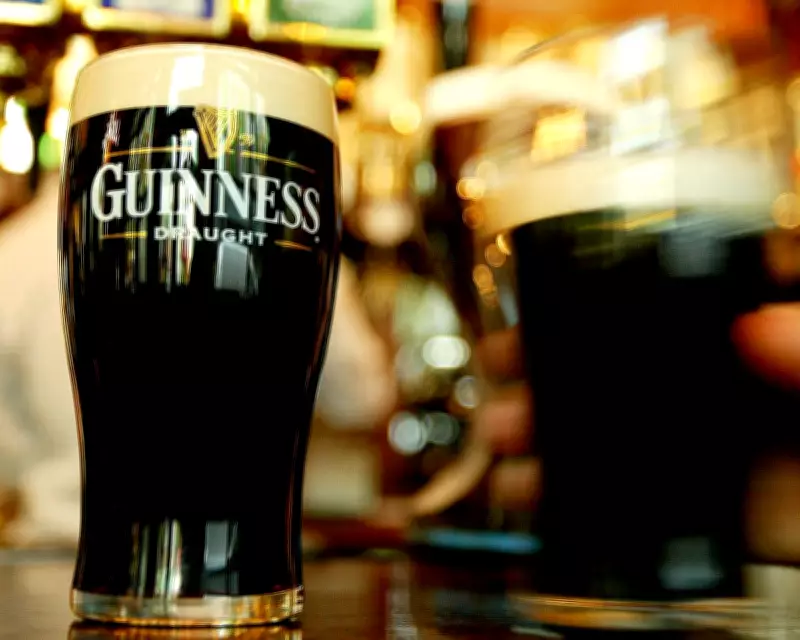
While Guinness remains a standout performer, described by Lewis as a "phenomenal asset" and the fastest-growing beer brand in North America, it is not immune to challenges. The brand is experiencing capacity limitations in London, affecting availability in local pubs. Lewis acknowledged, "If you've tried to buy a pint in London you also know that we have some capacity constraints, too. This capacity and geographical constraint is an issue that we need to address, and quickly."
Financial Outlook and Market Reaction
Diageo now anticipates organic sales to decline by 2% to 3% in 2026, with organic operating profit expected to remain flat. Following the announcement, the company's shares fell by 6% in early trading, making it the largest decliner on the FTSE 100 index. This downturn contrasts with the initial boost in share price when Lewis's appointment was revealed last November.
The company's struggles precede Lewis's tenure, with former CEO Debra Crew resigning abruptly in July amid investor concerns over performance. Diageo's ongoing efforts to navigate these complex market dynamics underscore the broader challenges facing the global drinks industry in an era of economic uncertainty and shifting consumer habits.






