Cost of Living Crisis Deters Young Britons from Parenthood as Birth Rates Plummet
Fresh analysis indicates that the declining birth rate in the United Kingdom is partly attributable to financial hardships faced by younger generations, rather than a fundamental shift away from the desire for parenthood. The Resolution Foundation, a prominent think tank, has conducted a comprehensive review of data from the Office for National Statistics, government sources, and various surveys to uncover the underlying reasons for this demographic trend.
Financial Barriers Outweigh Personal Choices
The think tank's report, titled Bye Bye Baby, highlights that the recent baby bust is primarily caused by an increase in childlessness among young non-graduate women. This contrasts with graduate women, who have historically delayed motherhood to focus on their careers. The analysis suggests that women without degrees are now catching up with this trend, as financial constraints increasingly influence their decisions.
According to the findings, approximately three in ten women and a quarter of men cite financial reasons for not yet having children. The report emphasises that these financial constraints appear to be shaping intentions, not just behaviour. For instance, around twice the proportion of childless 32-year-olds in the lowest income quartile in England intend to remain permanently childless compared to those in the highest income quartile.
Housing Crisis Exacerbates Fertility Decline
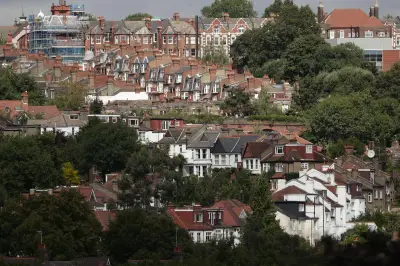
The Resolution Foundation points to the housing affordability crisis as a significant barrier. Many young people today either continue living with their parents or reside in expensive, unstable private rented accommodation, which discourages starting a family. The think tank urges policymakers to consider measures such as increasing affordable housing and enhancing opportunities for young people to get on the property ladder to make parenthood more achievable for those who desire it.
Charlie McCurdy, a senior economist at the Resolution Foundation, stated, "Deciding whether to have children is a deeply personal choice, but it's clear that financial constraints are at play too. The sharp rise in young people living with parents or in high-cost, low-stability rented accommodation poses significant barriers to starting a family."
Record Low Fertility Rates in England and Wales
Office for National Statistics data released last August revealed that the fertility rate for England and Wales has fallen for the third consecutive year, reaching a new record low. The total fertility rate, which measures the average number of live children women would expect to have during their childbearing years, stood at 1.41 in 2024, down from 1.42 in 2023. This is the lowest rate since comparable records began in 1938.
The report notes a dramatic rise in childlessness among non-graduate women aged 25-29, from 33% in 2011 to over half (54%) in 2023. Understanding the experiences of this group is deemed central to explaining the recent decline in birth rates.
Policy Implications and Future Uncertainties
The paper concludes that it remains uncertain whether recent trends represent a temporary delay in childbearing or a permanent decline. However, it calls on the government to carefully consider the consequences and adapt tax, spending, and legislative choices to meet the needs of a changing population fairly.
McCurdy added, "Policy makers should look to address the financial barriers that are hindering young peoples' ability to start a family – such as increasing housing affordability and opportunities to get on the housing ladder – to make parenthood more achievable for those who want it."