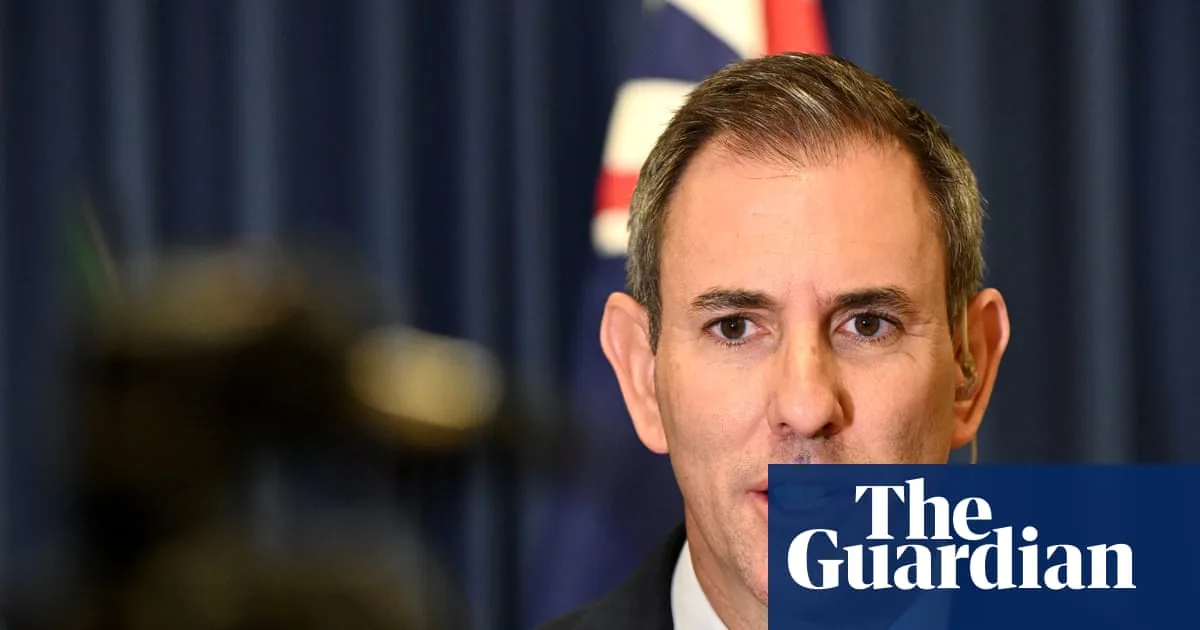
Australian Treasurer Jim Chalmers Signals Negative Gearing Reforms in May Budget
In a significant announcement ahead of the May budget, Australian Treasurer Jim Chalmers has confirmed that changes to negative gearing are actively being considered by the government. This move has ignited widespread discussion among policymakers, economists, and the public regarding its potential impact on housing affordability and the broader tax system.
Details of the Proposed Changes
Negative gearing, a tax policy that allows property investors to deduct losses from their rental properties against other income, has long been a contentious issue in Australian politics. Chalmers indicated that the government is exploring modifications to this scheme as part of broader efforts to address housing market challenges and ensure fiscal sustainability. While specific details remain undisclosed, sources suggest that reforms could include caps on deductions, restrictions for new investments, or phased adjustments to limit tax benefits.
The treasurer emphasised that any changes would be carefully calibrated to balance economic growth with social equity, aiming to make housing more accessible for first-time buyers while maintaining stability in the property market. This announcement comes amid rising concerns over housing affordability, with property prices in major cities like Sydney and Melbourne continuing to outpace wage growth, putting homeownership out of reach for many Australians.
Political and Economic Implications
The potential reforms have drawn mixed reactions from various stakeholders. Proponents argue that overhauling negative gearing could generate additional government revenue, estimated in the billions, which could be redirected towards public services or further tax relief for low-income earners. They also contend that it might cool speculative investment in housing, potentially lowering prices and improving affordability.
However, critics, including real estate groups and opposition politicians, warn that changes could destabilise the property market, reduce rental supply, and discourage investment, leading to higher rents and economic uncertainty. Some economists caution that abrupt reforms might trigger a market downturn, affecting homeowners and investors alike.
Chalmers defended the government's approach, stating that the review is part of a comprehensive strategy to modernise Australia's tax system and address long-term fiscal pressures. He highlighted that the May budget will include measures to support housing construction, infrastructure development, and social welfare, with negative gearing reforms potentially playing a key role in funding these initiatives.
Public and Expert Reactions
Public opinion on negative gearing changes is divided, with polls showing a split between those prioritising housing affordability and those concerned about investment impacts. Housing advocates have welcomed the news, calling it a step towards a fairer system, while investor groups urge caution, citing potential negative consequences for the economy.
Experts note that if implemented, reforms could reshape Australia's housing landscape, influencing everything from rental markets to retirement planning. The government is expected to release more details in the coming months, with the May budget serving as a critical milestone for these policy discussions.
As the debate intensifies, all eyes will be on Canberra to see how the government navigates this complex issue, balancing economic pragmatism with social goals in a bid to create a more equitable housing market for all Australians.