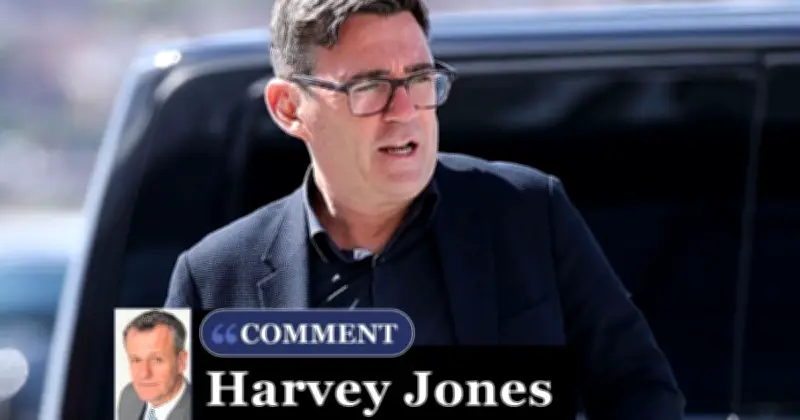
Andy Burnham has launched a series of spending pledges since becoming Prime Minister, drawing comparisons to the fiscal approach of his predecessor Keir Starmer and former Chancellor Rachel Reeves. Reeves had raised taxes by £66 billion across her first two Budgets and increased spending by an extra £100 billion a year, with total extra real-terms government spending under Labour set to exceed £650 billion by 2029. Despite this, backbench MPs demanded more, and Burnham appears willing to deliver.
Initial pledges and further commitments
Burnham began his tenure with three quick spending promises: scrapping the 5% VAT charge on domestic electricity, capping bus fares at £2, and helping pubs. These measures are relatively modest at around £1.4 billion. Further pledges include £442 million to tackle rough sleeping, £60 million for free 24-hour bus travel for disabled people, and £2 billion for zero-emission buses in the West Midlands.
He has also lined up a £39 billion Social and Affordable Homes Programme. His proposed National Care Service could cost up to £18 billion a year. Parliament has not yet reopened, yet he is spending freely in a manner worryingly similar to Starmer and Reeves.

Pay deals and union reactions
Starmer's government had earlier handed public-sector workers a 5.5% pay rise costing £10 billion and settled rail strikes with an inflation-busting pay deal backdated to April 2022. Under the "no-strings" deal, Labour ditched Tory demands for an end to generous working practices, and train drivers retained the right to restart their lunch break if spoken to by a manager. Militant unions subsequently threatened more strikes.
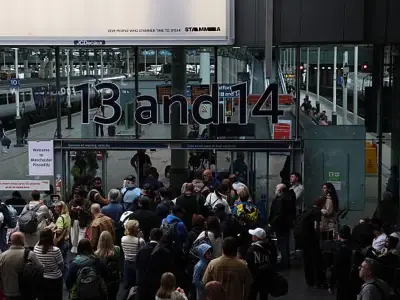
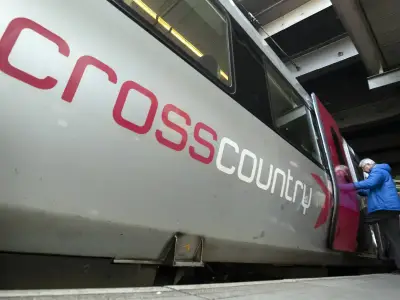
Burnham has now handed train drivers on the London-to-Manchester route a 3.6% pay rise, above inflation, along with time-and-a-half pay on Sundays and up to £720 for working a fifth day. Other rail workers are likely to take note.
Fiscal concerns and tax hikes
Burnham is increasingly looking like continuity Keir Starmer, as seen with John Healey's retreat on defence spending. After resigning because Starmer was underfunding the military, Healey is now spending the same as Reeves. Reeves had drawn up plans to borrow another £9 billion a year to fund investment, and this is now on Healey's Budget list. Healey is also reportedly looking at hiking windfall taxes on banks, which already pay among the highest taxes in the world at nearly 47%, according to UK Finance. This could result in lost jobs and investment in the financial services sector.
There is also talk of hiking windfall taxes on oil and gas firms, even as explorers exit the North Sea faced with a marginal tax rate of 78%. Burnham has committed to Reeves's fiscal rules and Labour's manifesto promise not to increase income tax, National Insurance or VAT. He says he does not want to target "wealth creators", but Starmer and Reeves made similar promises before the election. They also failed to sort out welfare, and Burnham is pushing reform into next year.