

British Households Confront 'Awful April' as Multiple Bill Hikes Loom
British households are preparing for another financially challenging period, dubbed "Awful April," as a series of substantial bill increases threaten to stretch budgets to their limits. While energy costs provide some temporary relief, significant rises in council tax, water, broadband, and mobile phone charges are set to take effect, creating a perfect storm for many families.
Council Tax Increases Across England
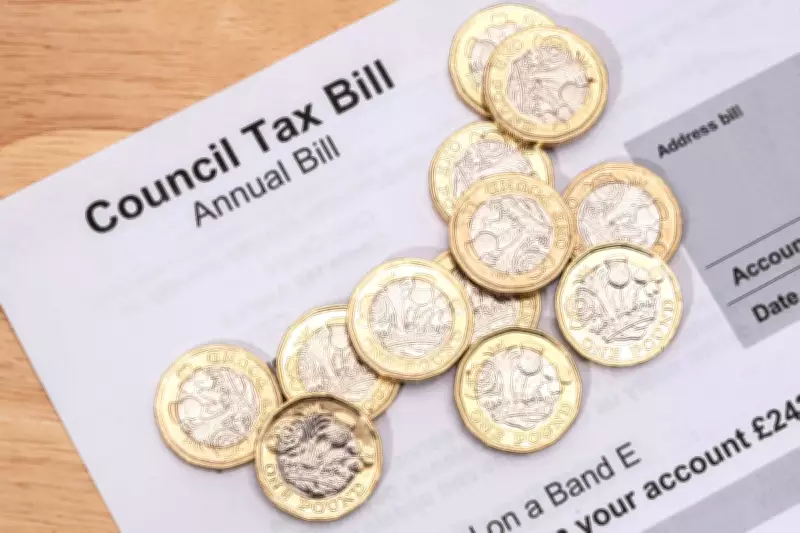
Council tax in England is experiencing its fourth consecutive year of increases, with an average rise of approximately 5 per cent. According to data from the Ministry of Housing, Communities & Local Government, the average Band D property will face a bill of £2,392 for the 2026/27 financial year. This represents an increase of £111, or 4.9 per cent, from the previous year. These figures include all additional charges, such as adult social care, parish precepts, and levies from police, fire, and regional authorities.
Water Bill Hikes Add to Financial Pressure
Adding to the financial strain, household water bills across England and Wales are set to climb by an average of 5.4 per cent. This translates to an additional £33 annually for the typical household. However, there is significant regional variation in these increases. For instance, Severn Trent customers will see a 10 per cent rise, Sutton and East Surrey are imposing an 11 per cent increase, Bristol Water a 12 per cent rise, and Affinity Water (central region) customers are warned of a 13 per cent jump. Around 2.5 million households are eligible for social tariffs, which can offer savings of about 40 per cent.

Broadband and Mobile Phone Price Rises
A host of broadband providers are hiking prices by almost £50 per year. Notably, one in four customers (28 per cent) are free to leave their contracts and are already paying between £7 and £9 a month more than in-contract customers. Totally Money highlighted that "millions" of people are out of contract with their mobile phone providers, allowing them to seek better deals. Some SIM-only plans are available for less than £5 a month, offering potential savings.
Energy Price Relief and Future Concerns
In a sliver of good news, the price most households pay for energy will fall by 7 per cent from April 1, driven by promised Government cuts to bills. Ofgem's price cap will drop from the current £1,758 to £1,641—a reduction of £117, or around £10 a month for the average household using both electricity and gas. However, this reduction is lower than the average £150 cut to bills pledged by the Chancellor in November, when she moved 75 per cent of the cost of the renewables obligation from household bills onto general taxation and scrapped the energy company obligation (Eco) scheme.
Of increasing concern is the potential for energy bills to rise from July due to the Middle East conflict, with latest predictions suggesting an increase of well over £300 a year. In the meantime, consumer groups urge households to send in meter readings ahead of 1 April to ensure their energy usage is billed at the lowest possible rate and to investigate fixed-rate deals.
Expert Advice and Charitable Support
TotallyMoney spokesman James McCaffrey advised: "With around 22 million households on their supplier's standard variable rate, most are paying the maximum allowed by the regulator. Check your current contract, and if you haven't switched in the past year, it's likely you'll be free to leave—and you could save up to £917." He added that broadband customers out of contract should haggle for better deals, as providers like BT, EE, Plusnet, Virgin Media, Sky, and Vodafone are hiking prices.
Citizens Advice chief executive Dame Clare Moriarty expressed concern: "Many households never saw the back of the last cost-of-living crisis, with millions of people still unable to make ends meet. With key bills such as council tax and water rising from April and global instability threatening further price shocks, we're concerned about those who have exhausted every option to keep pace." She noted that the charity is helping someone every 30 seconds with crisis support, such as food bank referrals and charitable grants, and called for better-targeted energy bill support for low-income individuals, help with rent costs, and debt assistance.






