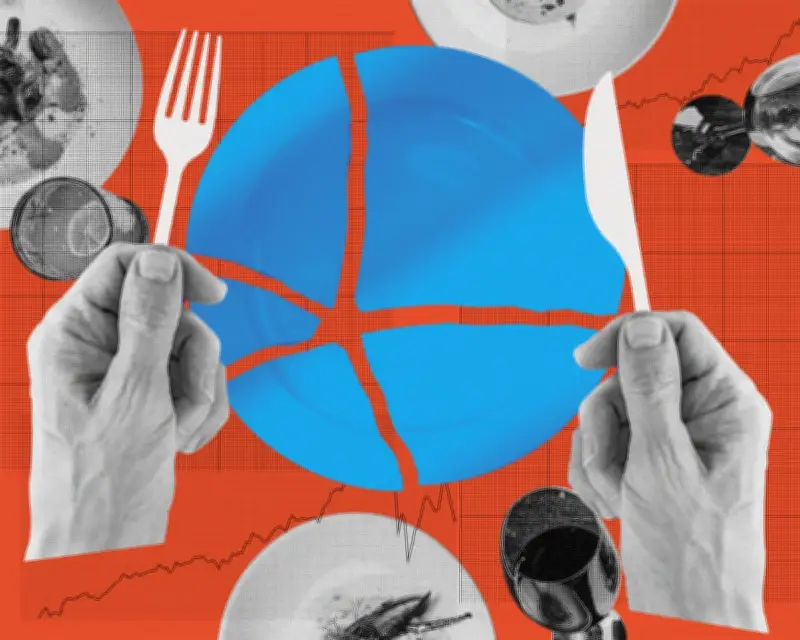
The British food scene, which had been experiencing a remarkable boom in recent years, has suddenly gone bust. A combination of rising costs, the lingering effects of Brexit, and shifting consumer behaviors has led to a wave of restaurant closures, layoffs, and financial distress across the sector.
The Boom That Was
For the past decade, the UK's culinary landscape flourished. New restaurants, gastropubs, and food markets sprang up in cities and towns, celebrated for their innovation and diversity. The boom was fueled by a strong economy, a surge in tourism, and a culture that embraced dining out as a leisure activity. Celebrity chefs and TV cooking shows further popularized the scene, making food a central part of British identity.
Rising Costs and Brexit Fallout
However, the tide has turned. The cost of ingredients, energy, and labor has skyrocketed. Brexit has exacerbated labor shortages, particularly for skilled chefs and front-of-house staff, as many European workers left the UK. Supply chain disruptions have made importing specialty items more expensive and unpredictable. Additionally, inflation has squeezed household budgets, leading consumers to cut back on discretionary spending like dining out.

Changing Consumer Habits
Even before the recent economic turmoil, consumer habits were shifting. The rise of delivery apps and meal kit services offered convenient alternatives to restaurant meals. The pandemic accelerated these trends, with many people developing new cooking skills and preferences for eating at home. Post-pandemic, while some returned to restaurants, others remained cautious, preferring cheaper or more casual options.
The Impact on the Industry
The result has been devastating. High-profile closures include several Michelin-starred restaurants and beloved independent eateries. Chains have also been hit, with some entering administration or closing dozens of branches. Thousands of jobs have been lost, and industry experts warn that more closures are likely before the situation stabilizes.
Small businesses, which form the backbone of the British food scene, are particularly vulnerable. Many lack the financial reserves to weather prolonged downturns. The British Beer and Pub Association reports that pub closures are at their highest rate in years, with many unable to pass on increased costs to customers without losing business.
Government Response and Future Outlook
The government has announced support measures, including tax relief and grants for hospitality businesses, but industry leaders argue these are insufficient. They call for more fundamental changes, such as reforming business rates, reducing VAT, and easing immigration rules to address labor shortages.
Despite the gloom, some remain optimistic. They point to the resilience of the sector and the potential for a leaner, more sustainable industry to emerge. However, for now, the British food scene that once seemed unstoppable has hit a brick wall.