

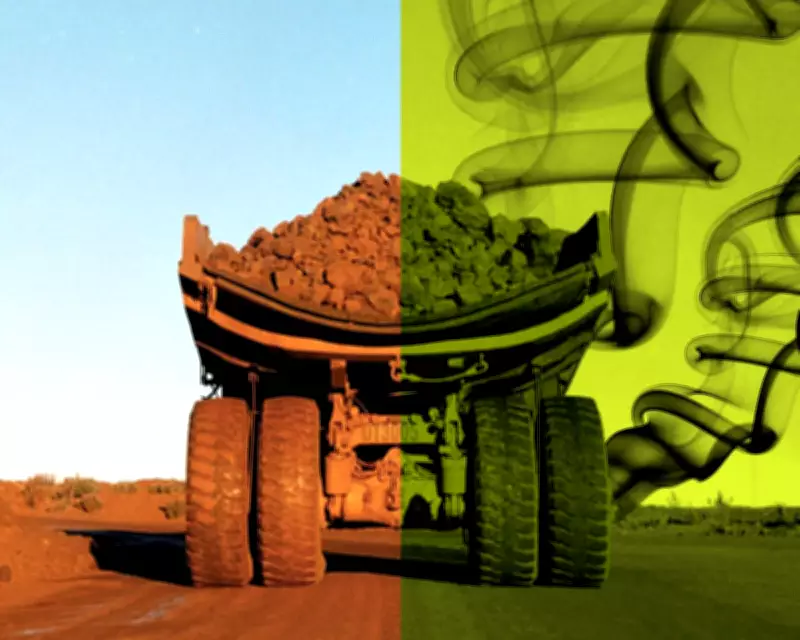
BHP, Australia's largest consumer of diesel, has continued to spend hundreds of millions of dollars on polluting diesel trucks for its Pilbara operations, despite internal documents warning that such purchases would increase emissions and conflict with the company's decarbonisation targets. The mining giant's fleet of haul trucks in Western Australia is its biggest single source of diesel emissions, and replacing them with battery-electric vehicles is considered critical to its climate goals.
Internal Documents Reveal Contradiction
An exclusive investigation based on documents leaked to the Guardian and Four Corners reveals that BHP has quietly abandoned plans to trial electric trucks in 2024 and roll them out by 2027-28. Instead, the company has purchased 62 new diesel haul trucks for its Jimblebar mine, at an estimated cost exceeding $500 million. Public documents for the proposed Ministers North mine, 85 km north-west of Newman, also show BHP plans to rely on diesel trucks, expecting them to account for most direct emissions at the site until at least 2041.
Technology Readiness Dispute
BHP argues that battery-electric truck technology is not yet advanced enough for full-scale operations, stating that no Australian miner currently uses 240-ton battery-electric haul trucks. However, competitor Fortescue has ordered 360 battery-electric trucks and plans to fully power its Pilbara assets with renewables. Experts and environmental groups contend that BHP's claims ignore its ability to drive technological investment and that the company is hooked on federal fuel tax credits, having received $622 million in the 2025 financial year.

Climate Strategy Misalignment
Internal BHP documents from 2022 warned that buying new diesel trucks in the mid-2020s would mean replacement between 2038 and 2041, misaligned with the company's goal to fully displace diesel by 2040. Despite this, BHP authorised the purchase in 2023 after achieving a material reduction in cost for new diesel trucks. The company's 2025 annual report flagged a dramatic slowdown in its shift away from diesel, blaming low technology readiness among manufacturers.
Naomi Hogan of the Australian Centre for Corporate Responsibility said BHP could accelerate technology advancements through investment and procurement, while Tim Buckley of Climate Energy Finance accused BHP of actively undermining change by backing a Minerals Council campaign against limiting fuel tax credit rebates. BHP maintains it is partnering with equipment producers on trials, but critics argue the company is prioritising short-term profits over long-term climate commitments.






