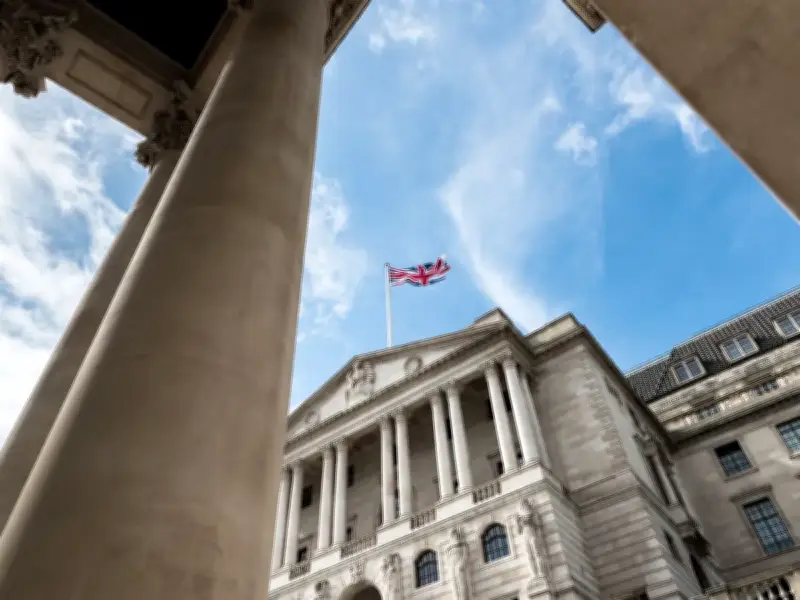
The Bank of England is widely expected to raise interest rates for the first time in over three years, according to leading economists. Rate-setters are broadly anticipated to tighten monetary policy in an effort to rein in mounting inflation across the UK economy.
City traders are forecasting that rates will climb to 4% from 3.75% when the Bank's Monetary Policy Committee (MPC) announces its latest decision on Thursday. This would mark the first occasion the central bank has increased borrowing costs since August 2023, with mortgage holders potentially facing significant financial pressure as a result.
Inflation Surge and Energy Prices
The pressure on the MPC to act has intensified following official figures revealing that the Consumer Prices Index (CPI) inflation rate surged to 3.5% in September, its highest point in 11 months. Ongoing conflict in the Middle East has pushed CPI further from the Bank's 2% target, with a sharp rise in petrol and diesel prices proving to be a key contributing factor.
Inflation is forecast to climb even higher this winter, following Ofgem's energy price cap increase of 3.6% for a typical household on October 1, with a further jump of 22% predicted in January.
Analysts' Views on Rate Hike
Ellie Henderson, an analyst for Investec, said: "We imagine that many committee members' patience with the recent rise in inflation has worn thin. The longer energy prices remain elevated, the greater the risk that a temporary price shock becomes more permanent; a 'risk management' hike could guard against this."
She cautioned that producers might "not be willing or able to shoulder the burden of higher energy prices for much longer" and that this could drive up costs on shop shelves.
Alexander Harvey, UK economist for Oxford Economics, suggested that a November rate rise appears to be a "done deal" for the committee, which will be responding to elevated oil and gas prices. "So far, two factors have been central to the MPC's decision-making since the outbreak of the conflict in the Middle East: the scale and duration of the energy price shock, plus the extent of any second-round inflation effects from elevated energy prices," he said. "These factors will continue to dominate the outlook for Bank rate."
Broader Economic Indicators
He noted that the key element economists will be monitoring is any indication from the Bank regarding the future trajectory of interest rates, with financial markets anticipating further increases into 2027.
Other central banks have already raised their interest rates, amongst them the US Federal Reserve, which did so last month for the first time in three years. The MPC will also weigh up additional economic indicators, including the fact that the UK's unemployment rate dropped to its lowest point in more than a year during the three months to August, reaching 4.7%. Moreover, the economy expanded unexpectedly in August, by 0.1%, pointing to resilience within the UK despite mounting pressure on consumer spending and broader volatility stemming from the Iran war.