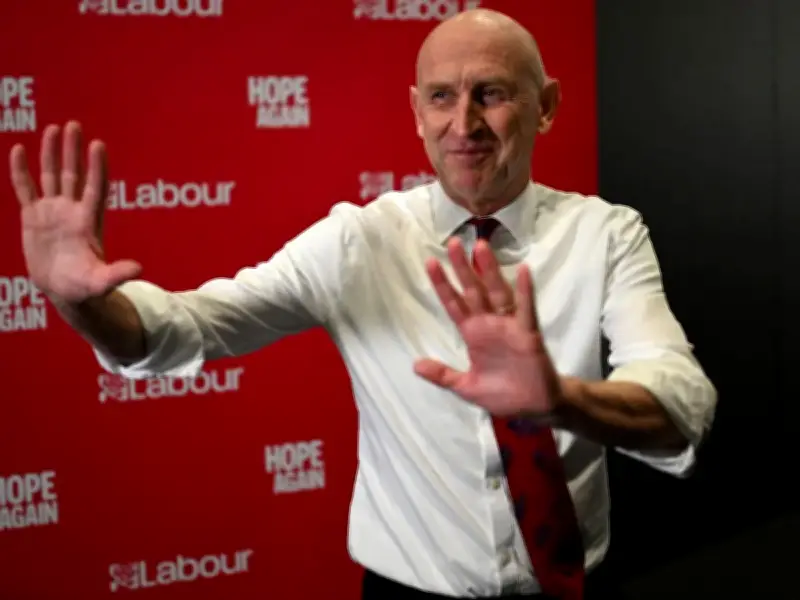
Chief executives of Britain's big four banks earned more in just two days last year than a typical full-time worker makes in an entire year, according to the trade union body TUC. The organisation said the pay packages, which averaged £8.9 million per boss, are another reason for Chancellor John Healey to impose a windfall tax on lenders in this week's Budget.
The TUC has been among those pressing Mr Healey to target banks in the run-up to the Budget, arguing that money raised should fund a cut in household energy bills. Banks appear resigned to being in the Chancellor's crosshairs on Wednesday given a surge in profits driven by higher-for-longer interest rates.
Pay packages at the big four
Accounts show Lloyds group chief executive Charlie Nunn's pay and perks package rose from almost £6.2 million to £7.4 million last year, including a near £1.4 million annual salary and £4.4 million in bonuses. NatWest boss Paul Thwaite received almost £6.6 million, up from just under £5 million in 2024, boosted by £4 million in bonuses.
HSBC chief executive Georges Elhedery netted a package worth £6.6 million. That was eclipsed by CS Venkatakrishnan, boss of Barclays, who took in more than £15 million last year, on top of the £11.6 million he earned in 2024. Last year's bonanza included £12.7 million in bonuses.
The average across the four bosses was £8.9 million, or 182 times the mean average for a full-time UK worker last year, at £48,930. According to the TUC, pay packages for the chief financial officers at the big four banks averaged £7.5 million last year.
Calls for a windfall tax
TUC General Secretary Paul Nowak said: "There is a mountain of evidence which shows banks can afford to pay more. While pay for those at the top of Britain's banks spirals, the rest of the country is struggling to get by."
Mr Healey is thought to be considering increasing a surcharge on banks' profits from 3% to 8%, reversing a tax cut introduced by former Conservative chancellor Jeremy Hunt. "These profits come off the back of spiralling bills and mortgage misery for households up and down the country," said Mr Nowak. "That's why taxing banks' enormous profits to cut energy bills is a no brainer. Banks can well afford it and it's the right thing to do."
According to the TUC, since 2021 when interest rates started to increase, the big four banks have made £200 billion in profit. It added that they have made more than a billion pounds a week so far this year. Reversing the Tories' cut in the bank surcharge would raise £9 billion over the next four years, or £2.25 billion a year, the TUC said. A 16% bank surcharge would generate £24 billion over four years, while a 35% surcharge would deliver £60 billion, it estimated.
Bank reactions and profit figures
Mr Venkatakrishnan said last week that a tax hike was "bearable", as he revealed Barclays' quarterly profits rose 12% to £2.3 billion. Mr Nunn has reportedly told investors the lender can withstand a rise in the bank surcharge to 4% or 5% without changing its guidance on expected profit.
Lloyds will publish its third quarter results on Thursday, the day after the Budget, having seen profits jump from £3.5 billion to £4.3 billion in the first six months of this year. NatWest releases results on Friday, having seen profits leap from almost £3.6 billion to more than £4.3 billion in the first half of the year.
It is believed Mr Healey will, however, resist calls to impose too drastic a tax hike for fear it will dent banks' lending and hit the wider economy. Banks' trade body UK Finance has argued City firms are already more heavily taxed than those in New York, Amsterdam and Frankfurt. It said in its Budget submission: "An increase in bank-specific taxes would increase the differential between the UK and competing jurisdictions further, weakening the attractiveness of the UK as a place for banks to invest, deploy capital and locate jobs."
Analysis by the think tank Tax Policy Associates, founded by leading expert Dan Neidle, found UK bank taxes are higher than in New York, Dublin or Singapore, but "broadly comparable to, and generally slightly lower than, those in the large European economies." It also said banks' profits have risen by less than campaigners claimed and added that any tax hike would likely impact customers, rather than just shareholders.