

Fuel Prices Plummet Across Australia as Excise Cut Takes Immediate Effect
Fuel prices have begun falling rapidly across Australia in the wake of the government's decision to halve the fuel excise, delivering unexpected and swift cost-of-living relief to motorists. The move, announced by Prime Minister Albanese, has seen prices in capital cities pause and then drop significantly on Wednesday, with the tax on petrol and diesel reduced to 26.3 cents per litre.
Immediate Price Declines Nationwide
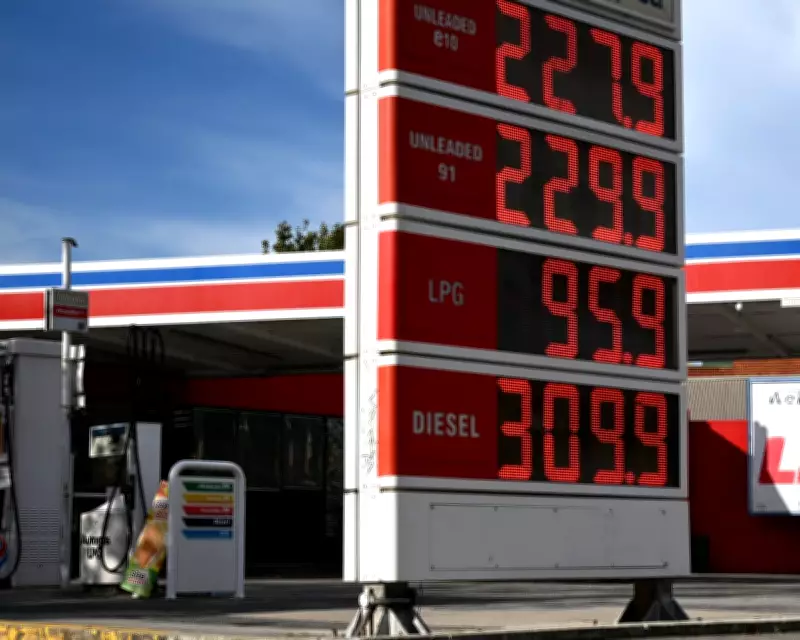
According to NRMA data, unleaded petrol prices fell by an average of 16 cents per litre across the country on Wednesday. In major cities such as Sydney, Melbourne, Brisbane, and Perth, average prices ranged between 243 and 245 cents per litre. Diesel prices also decreased, dropping from 323.5 cents to 311.1 cents on average nationally.
Adelaide experienced the most substantial declines, with unleaded petrol down 24.9 cents and diesel down 21.3 cents—almost matching the full excise cut. This rapid adjustment was unexpected, as the excise reduction was only implemented on Wednesday and was anticipated to take days or weeks to filter through to retail prices as petrol stations sold off existing, more expensive stock.

Retailers Pass on Savings Promptly
Instead of a delayed response, service stations have immediately lowered prices on average, even for fuel purchased before the excise cut. Ampol confirmed that it decided to pass on the full 26.3-cent reduction to some of its stations starting Wednesday morning, with the remainder of its stations following suit throughout the day.
Prior to this announcement, petrol prices had been climbing almost daily in Australia's capital cities since early March, based on data from Informed Sources. However, the market had plateaued in the days leading up to the cut, with prices holding steady in Sydney and Brisbane over the weekend.
Easing Fuel Shortages and Reduced Demand
Fuel shortages have also eased in New South Wales following the excise cut, as the rampant surge in driver demand stepped back. Guardian Australia analysis of state government data shows that the number of service stations out of at least one fuel type fell on Wednesday, reversing a persistent rise.
In New South Wales, 30 stations were out of all types of fuel on Wednesday, while 207 had no diesel, according to state premier Chris Minns. This marks an improvement from Monday, when 75 stations were out of all fuel, and Tuesday, when 61 stations faced complete shortages and 247 had no diesel.
"My strong suspicion is that that's as a result of consumers waiting for the excise to be cut before they fill up their tank," Minns told reporters. "It's come at a good time in the run-up to the Easter long weekend, it says to me that there'll be fuel available and that you shouldn't cancel your plans."
Traffic Declines Indicate Behavioral Shifts
Thousands of vehicles have disappeared from Sydney's roads over March, suggesting motorists had begun cutting back on petrol purchases even before the excise announcement. NSW government data reveals significant traffic reductions on key routes:
- Pennant Hills Road traffic fell 2.6% from late February and 5% compared to the same week last year.
- Victoria Road saw a 4.4% drop, Parramatta Road 2.3%, and Military Road 1.8% compared to the prior year.
- On Anzac Parade in Sydney's east, traffic shifted from being 5% higher than the year before in late February to 1% lower by the end of March.
- Areas around Sydney airport also emptied, with traffic down 9% on Airport Drive and 5% on Qantas Drive from the last week of February to the last full week of March.
Public transport usage in NSW remained largely unchanged, with just under 2.38 million average weekday Opal network trips in the last full week of March—consistent with 2025 levels.
This comprehensive response to the fuel excise cut highlights its immediate impact on prices, shortages, and consumer behavior, providing much-needed relief ahead of the holiday period.






