Francisco Jiménez, a 32-year-old delivery rider in Buenos Aires, spends at least eight hours a day, seven days a week on his bike, yet he can no longer afford rent. Next month he will move his wife and three children into his mother-in-law's flat. Despite his hardships, he voted for President Javier Milei's party in last Sunday's midterm elections, saying the opposition had 'been in power too long and done too much harm'.
Jiménez is not alone. Nicolás Pedrosa, a 40-year-old mobile phone shop owner, voted for Milei in 2023 but now deeply regrets it. 'The middle class no longer exists; you're either poor or rich,' he said, adding that customer traffic disappears by the 15th of each month as salaries run out. He now sells perfumes and incense alongside phone cases to survive.
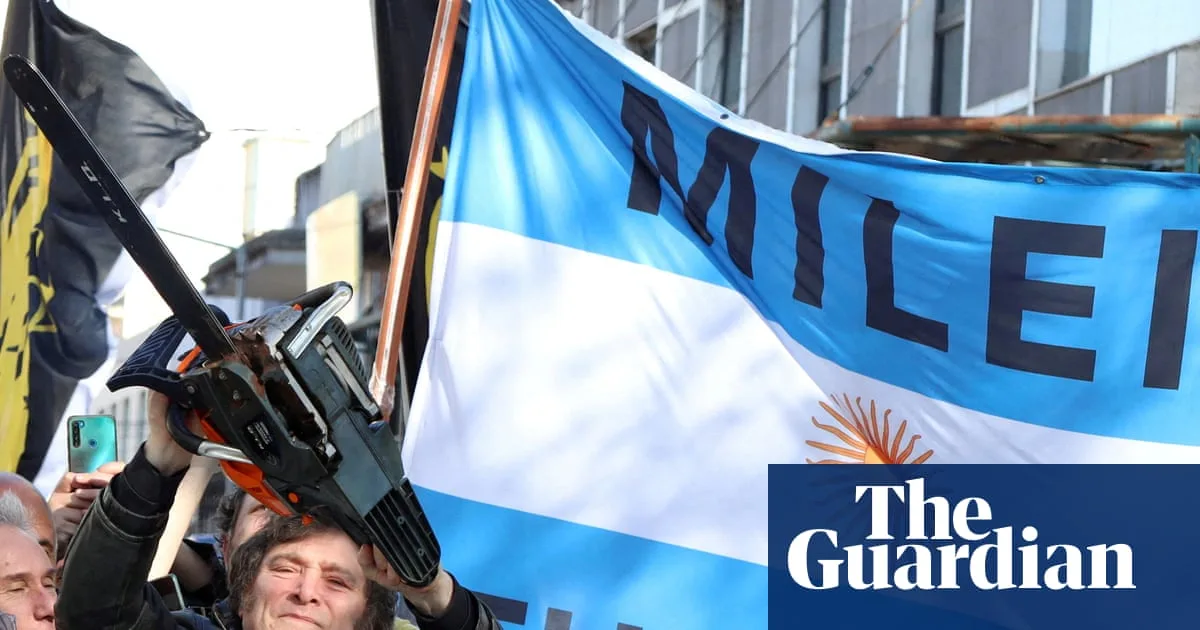
Milei's 'chainsaw' austerity plan, launched in December 2023, cut federal spending, froze wages and pensions, halted public works and slashed subsidies. The peso was devalued by nearly 55% in a bid to achieve a zero-deficit target. Inflation has fallen from over 211% in 2023 to 32% annually by September 2025, but average incomes and purchasing power have nosedived, pushing the poverty rate above 50% before it eased to 31.6%.
The government has turned to external loans, securing $20bn from the IMF and a $40bn bailout from the US, partly conditional on the midterm election result. Milei's lifting of import tariffs and restrictions has led to a flood of cheap imports, driving domestic industry into what textile sector head Luciano Galfione calls a 'great depression'. Even domestic wine sales fell 17.1% in August as purchasing power collapsed.