

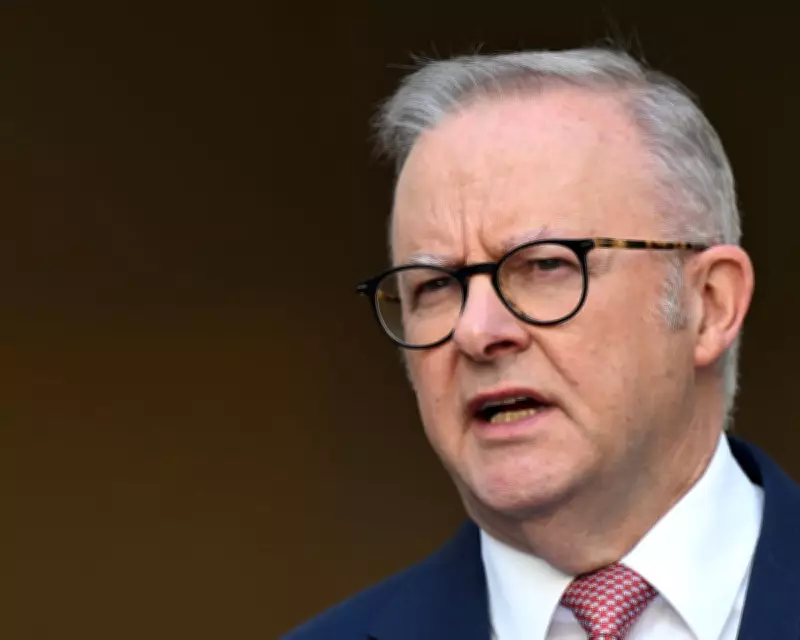
In a rare and sobering address to the nation, Australian Prime Minister Anthony Albanese has sought to calm public anxieties over dwindling fuel supplies, pledging to stabilise petrol prices through a combination of international procurement and enhanced domestic production. The prime minister's prerecorded video message, delivered against the backdrop of the ongoing Middle East conflict, acknowledged the "uncertain times" ahead and the economic shocks that are expected to persist for months.
Fuel Security Measures Unveiled
Albanese outlined a multi-faceted strategy to address the fuel crisis, highlighting immediate relief measures alongside longer-term solutions. Key initiatives include the temporary halving of the fuel excise until July, which took effect recently, and the suspension of heavy vehicle road user charges. These steps are designed to provide immediate financial respite to consumers and businesses grappling with soaring costs.
Long-Term Strategies for Stability
Beyond these temporary measures, the prime minister emphasised efforts to refine more fuel domestically and secure additional supplies from international partners. Leveraging Australia's robust trading relationships within the region, the government aims to import more petrol, diesel, and fertiliser to bolster reserves. "We are working to bring the price of fuel down. To make more fuel here and to keep it onshore," Albanese stated, underscoring the commitment to long-term energy security.

Public Appeal for Conservation
In a direct appeal to citizens, Albanese urged Australians to consider switching to public transport where possible to conserve fuel for essential users. "If you can switch to catching the train or bus or tram to work, do so. That builds our reserves and it saves fuel for people who have no choice but to drive," he advised. The prime minister also encouraged motorists to avoid hoarding fuel, reminding them to fill up only as needed to ensure equitable distribution.
Government's Cautious Stance
Currently, Australia remains at level two of the national cabinet's four-stage fuel security plan, indicating that stricter demand-reduction measures are not yet being implemented. However, the government has been proactive in recent weeks, making several interventions to shore up petrol and diesel supplies as it navigates the global energy crisis exacerbated by the Middle East conflict.
Economic Implications and Global Context
The address coincided with heightened global tensions, as US President Donald Trump prepared to deliver his own national statement on the Iran war. Trump's remarks suggested a potential resolution within weeks, while Australian officials expressed desperation for an end to the conflict to reopen the Strait of Hormuz, a critical oil shipping route.
Treasurer Jim Chalmers reinforced the gravity of the situation, unveiling business relief measures reminiscent of Covid-era support and revealing that economic modelling now includes scenarios of a prolonged oil crisis potentially triggering a recession. "The longer the shock drags out, obviously, the harsher the consequences for our economy," Chalmers warned, highlighting risks to inflation and the labour market.
Looking Ahead
Prime Minister Albanese is scheduled to appear at the National Press Club in Canberra, providing another platform to update the public ahead of the Easter long weekend. As the government balances immediate relief with strategic planning, Australians are being called upon to play their part in navigating these challenging times through mindful fuel consumption and adaptation to alternative transport options.






