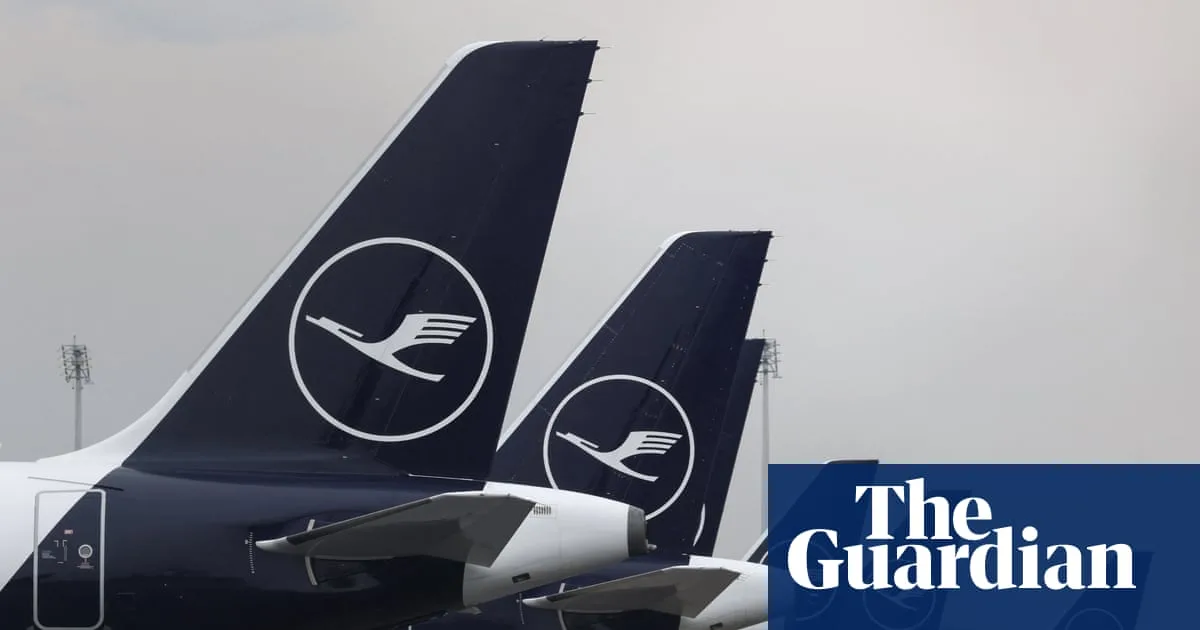
Two million airline seats have been removed from May schedules worldwide as carriers respond to soaring jet fuel prices driven by the Middle East conflict. Data from Cirium indicates about 13,000 fewer flights globally this month, with Istanbul and Munich airports seeing the largest reductions due to cuts by Turkish Airlines and Lufthansa. Lufthansa’s CityLine subsidiary alone has eliminated 20,000 short-haul flights.
The price of jet fuel has more than doubled since the US-Israel attack on Iran and the closure of the Strait of Hormuz. While most major UK short-haul carriers, including EasyJet and Wizz Air, have hedged fuel costs and pledged full summer schedules, the unhedged portion of their bills faces pressure. The industry reports no immediate shortages, given six weeks’ supply visibility, but international agencies warn of potential European shortages if the war continues.
Goldman Sachs analysts highlighted the UK as Europe’s most exposed nation, being the largest net importer of jet fuel with low inventories and reduced domestic refining capacity. They warned stocks could fall to critically low levels, increasing the likelihood of rationing measures. The UK government has announced flexibility in slot rules, allowing airlines to consolidate multiple daily flights to the same destination without losing future rights, and to cancel near-empty flights to conserve fuel.
Transport Secretary Heidi Alexander stated there are no immediate supply issues but emphasised preparing to give families certainty and avoid disruption this summer. UK refineries have been asked to maximise jet fuel production under contingency plans, though ministers have resisted industry requests for tax cuts or relaxed environmental and noise regulations.