

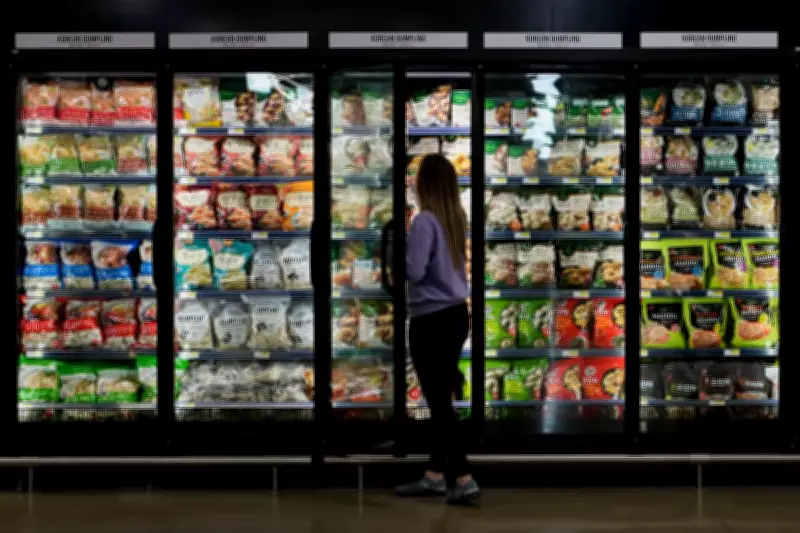
Three out of five Americans have been forced to revise their grocery lists or reduce discretionary spending as food prices continue to climb, according to a recent CNN poll. The survey highlights the widespread impact of persistent inflation on household budgets across the United States.
Key Findings from the Poll
The poll, conducted across the political spectrum, found that 61 percent of respondents have altered the items they purchase at grocery stores to manage costs. Additionally, 59 percent reported cutting back on extras and entertainment, while 44 percent have significantly reduced their driving. More concerning, 31 percent have postponed medical treatments, and 27 percent have taken on a second job to make ends meet.
Broader Economic Sentiment
These findings align with other surveys indicating that the economy remains a top concern for Americans. A Gallup poll revealed that only 16 percent of Americans rate the economy as excellent or good, while 76 percent believe conditions are worsening. Half of respondents described economic conditions as poor, with ongoing inflation and rising gas prices—linked to the Iran conflict—exacerbating the situation.

Economic confidence has dropped to a four-month low, according to Gallup. Meanwhile, national gas prices averaged $4.45 per gallon on Wednesday, as reported by AAA. A Fox News poll found that about eight in ten voters across party lines hold the Trump administration responsible for the price increases, along with oil companies, government regulations, and the war in Iran.
Political Implications
The economic downturn poses challenges for President Donald Trump and Republicans ahead of the midterm elections. An Associated Press-NORC Center for Public Affairs Research poll showed that 63 percent of Republicans approve of Trump’s handling of the economy, down from roughly 80 percent in February before the Iran conflict. Among non-MAGA GOP respondents, only 36 percent approved of the president’s economic record, compared to 74 percent among MAGA loyalists, according to a Fox News poll.
In May, American consumer confidence fell to an all-time low, as measured by the University of Michigan's Surveys of Consumers. Wholesale inflation in April reached its highest level since 2022, reminiscent of pandemic-era price surges.
White House Response
The Independent has sought comment from the White House. President Trump has downplayed consumer concerns related to the Iran conflict, stating, "I don't think about American financial situation—I don't think about anybody. I think about one thing: We cannot let Iran have a nuclear weapon." Kevin Hassett, director of the National Economic Council, argued that elevated spending reflects economic resilience, noting a capital spending boom and labor supply growth. When asked about a timeline for gas price relief, Hassett said, "I think this thing can resolve itself much faster than people think," without providing specifics.






