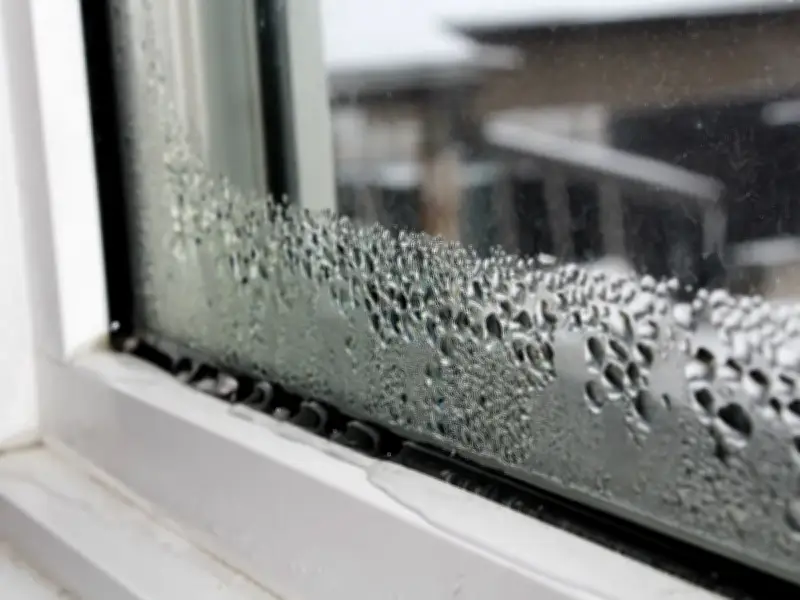
As temperatures drop this November, condensation on windows becomes more common, and ignoring it can lead to damp, mould growth, and damage to paint, plaster, and soft furnishings. The consumer experts at Which? have shared practical steps to tackle the issue.
Open Windows and Wipe Surfaces
In a TikTok video, the experts urged Brits to open their windows each day. They advise: "If you notice any condensation, open windows or vents to let the moisture escape." Even a few minutes of opening windows can flush out humid indoor air and replace it with drier outdoor air.
If water pooling persists, wiping down windows is recommended, as is doing the same in other humid areas like the bathroom. Which? added: "You can even dry the bath and tiles after you shower or take a bath."
Adjust Household Chores
Changing how you do chores, such as cooking or drying washing, can reduce steam and moisture in the air. The experts explained: "If you have to hang wet clothes indoors, make sure you have a window open. When cooking, put lids on pans to lock in that moisture. If you have an extractor, use that too, and if not, open a window now."
Consider a Dehumidifier
Buying a dehumidifier may also help, but it's important to choose the right type. Which? added: "Dehumidifiers. They won't get rid of mould but can certainly help prevent it by drawing in excess moisture." For warm rooms, a refrigerant or compressor dehumidifier is suitable; for colder spaces like garages, a desiccant type is needed.
Prevent Condensation Formation
Preventing sudden temperature changes can also reduce condensation. The experts said: "Last but not least, try to prevent sudden rises and falls in air temperature, as this can increase condensation. Keeping your heating on low and constant will help, as will draft excluders."