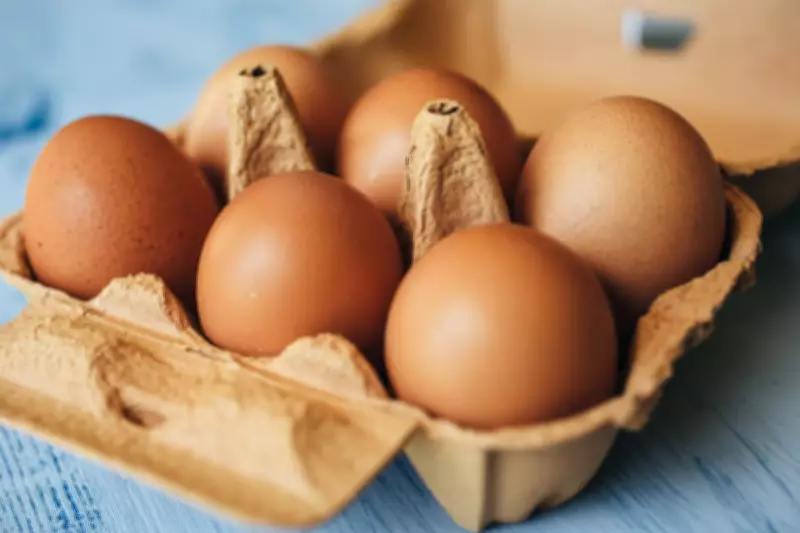
The Curious Case of the 'Posh Egg' Switchers
In a surprising trend sweeping British supermarkets, shoppers have been discreetly transferring premium eggs into cheaper cartons in an attempt to circumvent rising prices. This peculiar behaviour highlights a significant cultural shift where the humble egg has transformed from a basic kitchen staple into a small, brown status symbol.
From Staple to Status Symbol
For most of modern supermarket history, eggs occupied the same mental category as salt or bin bags - items purchased absent-mindedly without much consideration. However, between the rise of heritage breeds, rich yolks, and artfully pastoral packaging, eggs have undergone an unexpected promotion. They're not alone in this transformation - salt has become Maldon or Himalayan varieties, while olive oil now represents a lifestyle choice with Waitrose stocking 73 different bottles online.
Eggs have improbably become the latest victim of this premiumisation trend. What was once a straightforward purchase now comes in multiple tiers. A box of supermarket own-brand eggs might cost between £1 and £2, representing a 59 per cent increase from five years ago. Meanwhile, Clarence Court's Burford Browns command £3.35 for six, St Ewe's Rich Yolks climb to £4.24, and Purely Organic pushes higher still at £5.20 for a half dozen.

The Economics Behind Egg Prices
Before blaming this entirely on aspirational packaging, it's crucial to understand the genuine economic pressures affecting egg production. Feed costs alone account for 60-70 per cent of total production expenses, and when these costs doubled in recent years, producers found themselves losing money on every dozen laid. Energy bills have surged by more than 50 per cent, while labour, packaging, and chick replacements have added to the financial burden.
In late 2025, the average UK farm-gate price for eggs reached approximately 148p per dozen, representing a significant increase from historical levels. Additionally, bird flu has transformed from occasional disruption to recurring structural risk, with dozens of outbreaks on commercial farms leading to mass culling and protection zones that squeeze output and reduce market availability.
The Theatre of Premium Eggs
While producers grapple with genuine economic volatility, retailers have been busy turning eggs into something rather more theatrical. Clarence Court exemplifies this shift with crown-stamped shells, breed names, and deep bronze hues that present eggs as objects of connoisseurship rather than mere ingredients. The brand's language - Burford Browns, Old Cotswold Legbar, Leghorn Whites - reframes the entire category, suggesting provenance, identity, and implied superiority.
However, much of this visible difference is rooted in genetics rather than gastronomics. Shell colour represents a function of breed rather than quality, with a Leghorn white being no less "egg-like" than a supermarket's own brand. Certain heritage or slower-laying hens may produce eggs with marginally richer characteristics, but the biological gap between breeds remains far narrower than marketing suggests.
The Psychology of Premium Purchases
St Ewe's Rich Yolk eggs perform a different manoeuvre, with their appeal resting on deep, burnished orange yolks that consumers instinctively read as richer and tastier. In reality, yolk intensity is largely dictated by the hen's diet, specifically the presence of carotenoids in feed ingredients like maize and marigold. The effect on flavour is subtle at best, while the effect on perception is enormous.
Purely Organic represents a more straightforward kind of premium, with organic certification requiring birds to be fed organic-certified diets, housed under stricter welfare standards, and managed with tight restrictions on routine antibiotic use. This carries unavoidable costs that explain why organic eggs reliably occupy the highest price tier, offering consumers a tangible farming philosophy built around welfare rather than just photogenic yolks.

The Nutritional Reality
Nutritionally, the distinctions between pricing tiers are far less dramatic than supermarket shelves might imply. Waitrose's cheapest Essential Free-Range White Eggs deliver approximately 66 calories per boiled egg, alongside 6.5g of protein and 4.4g of fat. Clarence Court's Burford Browns, St Ewe's Rich Yolks, and Purely Organic's eggs land in near-identical nutritional territory.
Eggs remain one of the most nutritionally efficient foods in supermarkets regardless of branding. Protein, fats, and micronutrients arrive in broadly consistent proportions whether the shell is chalk-white, chestnut-brown, or Instagram-friendly sage green. The price ladder stretches dramatically while the nutritional payload remains remarkably consistent.
The Pointless Swap
This brings us back to the shoppers relocating "posh eggs" into cheaper boxes. The entire exercise proves slightly baffling and ultimately pointless. However handsome the shell or burnished the yolk, the differences that actually matter remain small, if not non-existent. Scrambled eggs will still taste like scrambled eggs, fried egg on toast will still taste like fried egg on toast, and the Victoria sponge will not rise to new aristocratic heights simply because it came from premium packaging.
However deluxe the shell, it cannot change your macros, and no egg can outrun its own ordinariness. In this sense, the great egg swap represents less a supermarket scam than a fundamental misunderstanding. People aren't stealing eggs - they're stealing what the eggs say about them, paying premium prices for perception rather than substance in a market where the humble egg has become an unlikely status symbol.