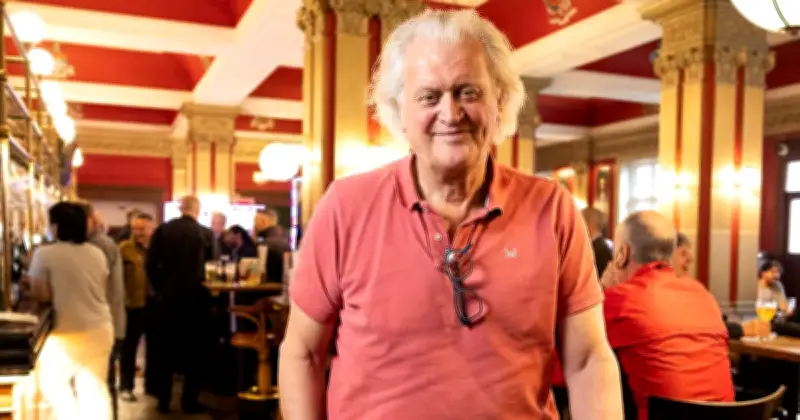
Wetherspoon boss Sir Tim Martin has banned the use of loudspeakers in his pubs, a decision that has been hailed as a rare victory for the silent majority. The ban applies to phones, iPads, and laptops.
An oasis of tranquillity
Sir Tim's reflection that “In a world dominated by other people's music and amplified sound, Wetherspoon pubs are an oasis of tranquillity and contemplation” might be a stretch, but the goal is admirable. No one goes to a pub to listen to someone else's music, and the annoyance of hearing an ill-mannered work call is widely recognised.
The decision has been welcomed by those who value the traditional pub experience. It is an Englishman's right to sit in a pub in the company of friends and enjoy good beer undisturbed by others, and this ban ensures that right is protected.
The blueprint of the perfect pub
Sir Tim told the author: "There is room, of course, for different types of pubs. One size doesn't fit all. There are plenty of gastro pubs, music pubs and so on, which provide a magnificent service to their customers."
"But there is a type of pub that is preferred by most of the people, most of the time - which, I hope, has many of the characteristics of a Wetherspoon pub. No music. High standard of design. Very clean. Good beer. A mixed crowd and a melting pot - all ages, all types. Not too long a wait at the bar. Staff who know customers' names and vice versa. These factors create the most important pub ingredient: atmosphere."
The blueprint is George Orwell's 'perfect pub' the Moon Under Water, of which there are quite a few under the Wetherspoons banner. The author also cites writer Hillaire Beloc, who wrote a paean to the civilising, socialising role of the British pub in The South Country, ending with the aspirational lines: “And the men that were boys when I was a boy, Shall sit and drink with me.”
A revolutionary concept
In a world where the rights of a vocal and occasionally aggressive entitled minority are often placed ahead of the rights of the mass of good, decent ordinary people, this ban feels almost revolutionary. The needs of the many being prioritised over the selfishness and special interest of the few is a concept that could be transferred to British politics.