Vegan Advocate Calls for Plant-Based Products to Ditch Dairy and Meat Labels
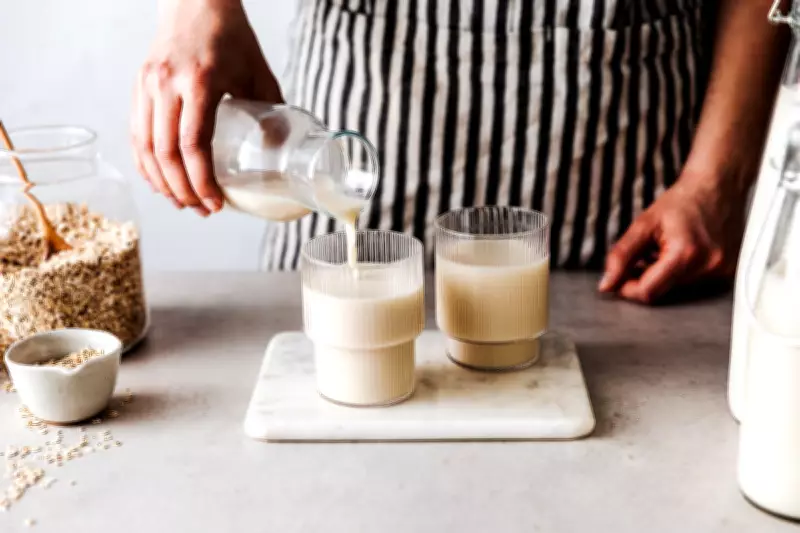
Oat milk is not milk, and even vegans like me can acknowledge that fact. We do not want to contemplate dairy-related terminology when we are enjoying a refreshing glass of plant-based alternatives, says Flic Everett, the former editor of a vegan food magazine.
The Debate Over Plant-Based Naming Conventions
When I adhered to a strict vegan diet several years ago, I had a friend – let us refer to him as Mary Q Contrary – who vehemently opposed vegan products imitating meat and dairy items. "It is not a sausage," he would assert. "It is butternut squash and barley compressed into a cylindrical form." And anyone mentioning plant "milk" faced his ire. "How can it be milk?" he would question. "It is the thin, unappealing juice extracted from peas! It is the runoff from soaked cashews!"
I used to attempt to defend the use of such terms – arguing that vegans deserve sausages and milk too – but in hindsight, I concur with his perspective. Why are we so determined that plant-based products must adopt names from the meat and dairy sectors to make them acceptable?

Historical Context and Marketing Missteps
During the peak of veganism in 2016, when celebrities like Beyonce and Brad Pitt publicly embraced the lifestyle and major brands rushed to launch soy-based products, I edited a vegan food magazine. The prevailing belief was that retaining "meaty" names could attract carnivores to the cause. However, this strategy proved ineffective.
In fact, the trend toward products like "pea protein chicken" and "potato milk" – yes, that was a real concept – only bewildered consumers who did not comprehend why they received seitan instead of bacon when the packaging clearly labelled it as "bacon."
Legal Rulings and Industry Reactions
Recently, it has been determined that Oatly, the manufacturer of what was formerly termed "oat milk," cannot even utilise the word "milk" in its marketing campaigns. This week, the Scandinavian company sought to trademark the phrase "post-milk generation," but the UK Supreme Court rejected the application, asserting that "milk" exclusively refers to animal-derived products.
While this decision might be beneficial – as "post-milk generation" evokes images of toddlers transitioning from breastfeeding to sugary drinks – Oatly expressed outrage. General Manager Bryan Carroll contended that the ruling creates an "uneven playing field for plant-based products that solely benefits Big Dairy."
The Absurdity of Current Naming Practices
For a period, the awkward term "mylk" emerged to denote non-animal beverages, but it was prohibited due to its phonetic similarity to "milk," aside from its association with outdated hippie culture. The entire debate has descended into farce, with vegan firms determined to incorporate "burgers" and "sausages" on packaging for mushroom patties, while the meat industry insists such names should only apply if animals were harmed in production.
No party emerges victorious from this conflict. As a former vegan who still avoids meat and only purchases milk from ethically raised cows, I believe it is entirely reasonable for plant-based consumers to reject terminology borrowed from the meat industry.
Proposing a New Lexicon for Plant-Based Foods
I do not wish to think about deceased pigs while consuming a pleasant, pea-based cylinder, nor do I want to consider the transformation of a cow into a burger when enjoying ground vegetables shaped like a hockey puck. Regarding "oat milk," all vegans recognise that no grain, nut, or vegetable extract tastes satisfactory in tea – a harsh truth – and labelling these strained, processed liquids as "milk" deceives no one.
It is time for plant-based enthusiasts to develop our own language for packaging and distance ourselves from Big Meat, Big Dairy, and Big Fish entirely. We could introduce "Protein Pucks" instead of burgers and "Smoky Slices" as a substitute for bacon. Milk alternatives might be rebranded as "Pourable Plants," which sounds more engaging than the feeble "oat drink" currently used by companies.

We do not require those meaty, dairy-esque terms. We can initiate a new linguistic movement. Admittedly, meat-eaters may not be attracted to these innovative products, but that is irrelevant. This is a vegan revolution, and it commences with a definitive rejection of outdated naming conventions.