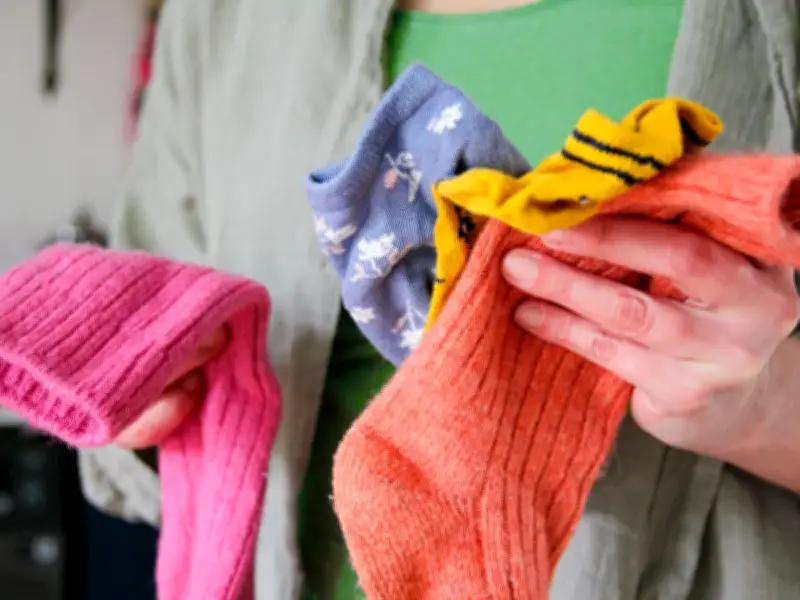
UK households are being advised to use old socks to reduce heating bills this winter. With colder weather prompting many to switch heating back on, energy costs can rise sharply.
Instead of increasing the thermostat when a room feels cold, simple hacks can keep homes warm without raising bills. Cold air entering through doors may worsen the problem, but a low-cost solution could already be in your drawer.
Expert recommends sock hack
Door specialist Ilja Medvedevs from Door Supplies Online suggests old socks can help tackle draughts around the home. Most people discard a sock once it loses its pair, but a long sock can become a makeshift draught excluder with minimal effort.
“Fill it with spare fabric scraps to give it some weight, secure the open end and lay it along the bottom of a door where you can feel cold air coming through,” Ilja explains. “It is a simple way to make use of something you already have at home, rather than immediately spending money on a draught excluder. It is not going to fix every draught, but it can help block a gap beneath the door while you work out whether anything else needs attention.”
How to try the old sock hack
No specialist equipment is needed. Find a long, unwanted sock, fill it with spare fabric scraps, and tie or sew the end securely so the filling stays inside. Lay it along the bottom of an external door where a draught is noticed, ensuring it does not become a trip hazard or prevent the door from opening and closing properly.
“The sock trick is best treated as a temporary fix, rather than a replacement for proper draught-proofing,” Ilja adds. “If cold air is coming through the sides or top of the door, putting something along the bottom is not going to solve the problem. It is worth checking the whole frame and making sure the seals are in good condition. If your door is damaged or no longer fits properly, you may need to have it assessed to see whether it can be repaired or needs replacing.”
Other areas to check
Ilja recommends inspecting several other areas around doors to keep cold air out. Check the sides and top of external doors for gaps, look for worn, cracked or flattened seals that may need replacing, and verify whether the door closes snugly against its frame.
Use a suitable draught excluder or door brush for gaps beneath the door, and examine the hinges and frame if the door sticks, rattles or sits unevenly. Reducing draughts can make a home feel more comfortable during colder months, but the amount of energy saved depends on the property and where heat is escaping.