

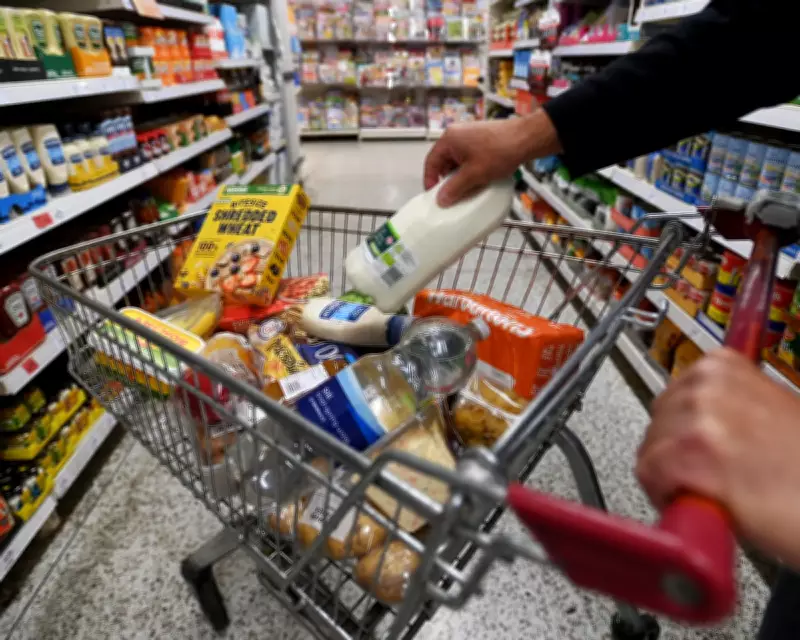
UK supermarkets are facing renewed pressure to implement voluntary price caps on essential food items as a measure to ease the financial strain on households grappling with the ongoing cost-of-living crisis. The call comes following a government-commissioned review that highlighted the need for retailers to take proactive steps to ensure affordability for consumers.
Government-Backed Review Sparks Debate
The review, led by former competition watchdog boss John Penrose, recommended that supermarkets voluntarily limit prices on staple goods such as bread, milk, and eggs. This initiative aims to protect vulnerable consumers without resorting to mandatory controls, which could distort the market. The report suggests that voluntary caps would allow retailers to demonstrate social responsibility while maintaining competitive dynamics.
Industry Response and Challenges
Major supermarket chains have expressed cautious interest but raised concerns about operational feasibility. The British Retail Consortium acknowledged the pressures on households but warned that price caps could lead to unintended consequences, such as reduced product availability or quality. Some retailers argue that they are already offering significant discounts and promotions on essential items.

Consumer groups, however, have welcomed the proposal, citing that many low-income families are still struggling despite recent inflation easing. The charity Which? noted that while some price reductions have occurred, they are not consistent across all stores or regions.
Political and Economic Context
The discussion around price caps occurs against a backdrop of heightened political scrutiny on corporate profits. The government has faced criticism for not doing enough to tackle food inflation, which has disproportionately affected the poorest households. The voluntary approach is seen as a compromise that avoids heavy-handed regulation while encouraging corporate accountability.
Economists remain divided on the effectiveness of voluntary caps. Some argue that they could stabilize prices and restore consumer confidence, while others warn that they might reduce competition and innovation in the long term. The Office for National Statistics reported that food prices rose by 5% in the year to April, though this is a slowdown from previous peaks.
Next Steps
Ministers are expected to meet with supermarket executives in the coming weeks to discuss the proposals. The government has indicated that if voluntary measures fail to deliver sufficient relief, it may consider legislative options. Meanwhile, the Competition and Markets Authority is monitoring the situation to ensure that any price actions do not breach competition law.
The outcome of these discussions will be closely watched by millions of UK households who continue to face high living costs. The voluntary price cap initiative represents a test of whether collaboration between government and industry can provide tangible benefits without regulatory mandates.






