UK Households Risk £1,000 Fines for Common Bin Mistakes
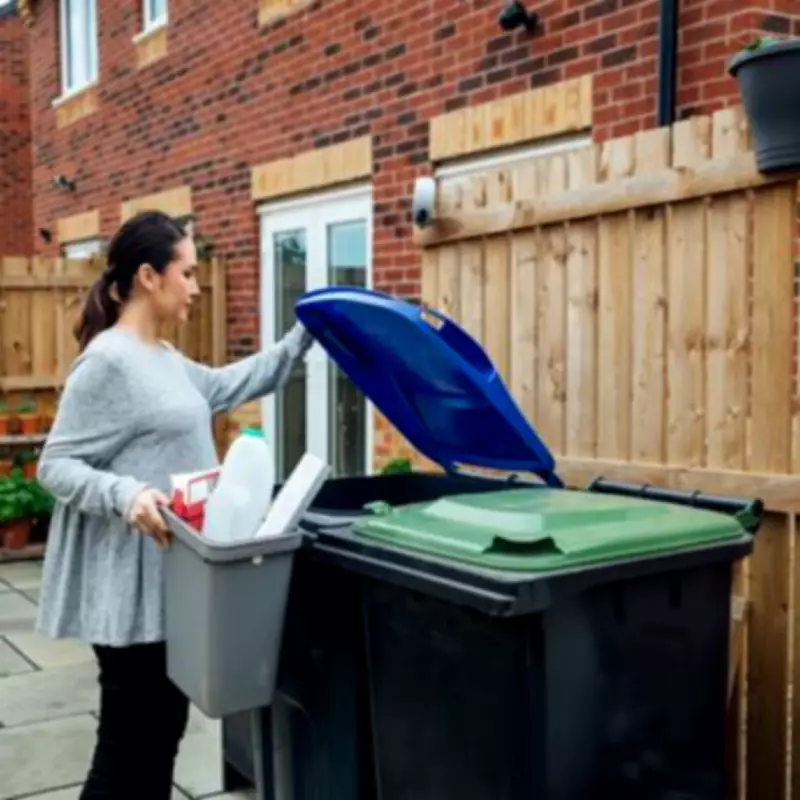
Households across the United Kingdom are facing the threat of substantial fines, potentially reaching up to £1,000, if specific prohibited items are discovered in their wheelie bins. Local authorities are intensifying enforcement efforts against improper and hazardous waste disposal, warning residents that incorrect bin usage could lead not only to financial penalties but also to the suspension of regular rubbish collection services.
Rising Contamination and Environmental Concerns
According to recent data, contamination levels in British households remain alarmingly high. The Recycling Tracker report from WRAP indicates that approximately 81% of individuals admit to placing at least one non-recyclable item into their recycling bins. Furthermore, a mere nine percent of adults express feeling "very confident" about what materials can and cannot be recycled. Government statistics reveal that the household recycling rate in England stood at just 44% in 2023, meaning over half of all waste was not recycled. Councils report that thousands of tonnes of recyclables are rejected annually due to items being incorrectly sorted.
Online retailer HAYPP highlights that this issue extends beyond legal repercussions, posing significant environmental damage, fire hazards, safety risks for waste management workers, and potential identity theft. Markus Lindblad, Head of Legal and External Affairs at HAYPP, emphasises the critical need for proper disposal practices to mitigate these dangers.

Prohibited Items and Safe Disposal Methods
Reusable Vapes: These devices contain lithium batteries, plastics, and chemical residues that can leak, ignite, or explode under pressure or heat. The UK Environment Agency identifies lithium-ion batteries as a known fire risk in waste streams. Residents are urged to take old vapes to certified electronic waste recycling centres for safe processing.
EpiPens and Medical Injectables: Used or expired injectables, such as EpiPens, must not be disposed of in household waste due to the pressure and medication inside, which can lead to leaks or accidental discharge. The NHS recommends returning these items to pharmacies or local medical waste programmes for secure handling.
Personal Documents: Old bank statements, utility bills, and expired identification documents may seem innocuous but can expose sensitive personal data, increasing the risk of identity theft. Consumer rights charity Which? advises shredding all sensitive papers before discarding them to safeguard personal information.
Paints and Chemicals: Household paints, solvents, and other chemicals are toxic and should never be sent to landfill sites. The Environment Agency warns that such substances can contaminate soil and water supplies if not disposed of through designated hazardous waste collection services.
Soil and Garden Waste: Garden soil is banned from household food and garden waste bins as it can compromise compost quality. Guidance from Recycle Now stresses that soil should be taken to specific recycling points to maintain the integrity of compost materials.
Council Guidance and Legal Obligations
To avoid fines or potential prosecution, councils strongly advise residents to consult local waste management guidelines and utilise appropriate disposal routes for hazardous and sensitive items. Repeated offences can result in penalties, with authorities across the UK actively cracking down on contamination in domestic waste streams. Proper disposal not only helps evade financial sanctions but also contributes to environmental protection and public safety.