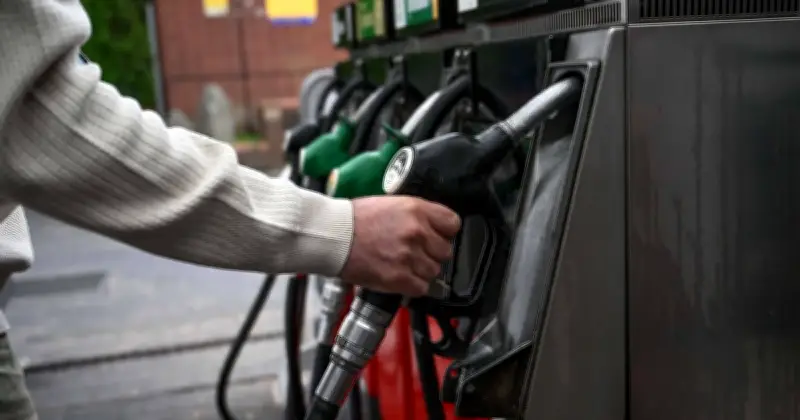
UK motorists face soaring fuel costs as the average price for unleaded petrol has reached 173.9p per litre, while diesel has hit 199.9p, according to the Petrol Prices UK website. Super Unleaded is priced at 189.9p and Premium Diesel at 215.9p, pushing the cost of filling a typical family car above £5.
A full tank of petrol for a 55-litre family car now costs £95.33, with the diesel equivalent reaching £108.76. These figures are up £22.27 and £30.45 respectively, compared with the start of the Iran-US conflict on February 28.
Pipeline repairs and oil price impact
Saudi Arabia has announced the partial restart of its damaged East-West Pipeline following earlier drone strikes, though October crude allocations for at least two European refiners remain cancelled. Sections of the damaged pipeline have been repaired, enabling limited crude flows to resume towards the Red Sea port of Yanbu. The pipeline is anticipated to return to partial operational capacity within days, though full structural and pump station repairs are estimated to take between six and eight weeks.
Saudi Aramco had previously notified European term customers that September and October crude loadings would face considerable disruptions or cancellations. Oil prices climbed above 100 dollars per barrel earlier this month for the first time since July following the most recent strikes in the Iran conflict.
Warnings from motoring groups
On Good Morning Britain, Jonathan Swain said: "The cost of filling this up has pretty much more than doubled because of the war in Iran, the rising cost of living. So, it means that all the goods that get transported around the country, well, those prices go up as well and we feel them in our pockets."
"It's not just that, but it's one of the reasons with rising fuel cost, petrol prices now average well over £1.73 per litre and diesel that's almost £2 a litre. So filling up a family car with petrol would now cost around £95. Filling up a family car with diesel will now cost more than £108 to fill up your tank of fuel." Delivery companies are imposing fuel surcharges which will drive up prices in shops.
The RAC has told Good Morning Britain that the UK could hit the highest ever pump price for diesel on Friday and warned that prices will keep rising while global instability continues. RAC head of policy Simon Williams warned: "Since the start of this month, the cost of filling a family car has already risen by almost £5, to £94 for petrol and £106 for diesel."
"So the pressure on the Chancellor to act to support households, so many of whom are dependent on the car, is building. Fuel duty is set to start rising from January, but as we've said previously, there is a strong argument for leaving it at its current level, at least until the end of the Parliament."
Government response and military assistance
Britain's military assistance to Saudi Arabia could help prevent further spikes in fuel costs, a defence minister has suggested. Luke Pollard stated that deploying an RAF refuelling aircraft to the area aimed to prevent "further escalation" in the Red Sea, a vital route for oil transportation currently under attack by Iranian-backed Yemeni Houthis. He said: "We're working with our friends to try and deliver that de-escalation, and part of the reason why we deployed the RAF Voyager to Saudi Arabia, for instance, is to ensure there's not further escalation in the Red Sea, which could further risk our fuel prices."
Steve Gooding, director of the RAC Foundation, said: "Six months into the conflict in the Gulf and drivers have paid billions of pounds in 'war premiums' over and above what they might have expected to pay had oil and pump prices remained near the level they were before the war began."
"The bad news is that they are likely to pay billions more before peace is restored. The Government can't end the war, but it can recognise the financial hit to drivers and businesses caused by surging petrol and diesel prices. Surely the Chancellor is considering a cut in fuel duty at the budget to reverse this hike in the cost of living? It's worth remembering that the Exchequer currently receives more than 80p per litre of fuel sold on the forecourts, in the form of duty and VAT."
A Treasury spokesperson said: "There is no VAT windfall. As has always been the case, decisions on tax are a matter for the Chancellor to set out at fiscal events, rather than routinely commenting on rumour, speculation or proposals. The Chancellor is fully focused on his priorities, to give families and businesses a bit of breathing space, back British jobs, and drive growth in every postcode, underpinned by a commitment to meet the fiscal rules."