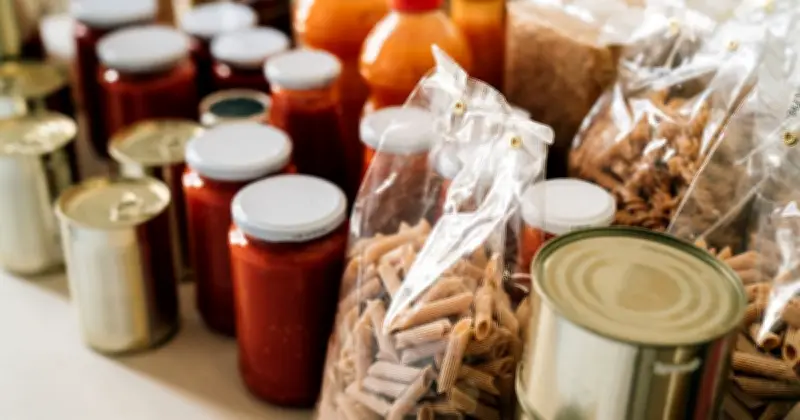
Supermarket prices have risen by 2.6% compared with a year ago, up from 2.5% in September, as households respond to the government's emergency preparedness advice by stocking up on tinned and non-perishable food.
The increase follows the launch of the UK government's "Be Ready" campaign on October 22, which urged people to prepare three days' worth of bottled water and non-perishable food in case everyday services are temporarily disrupted.
Sales surge after campaign launch
Industry data from Worldpanel by Numerator shows that sales of essential goods rose in the 10 days following the campaign's launch. Sales of hand sanitiser jumped 83% year-on-year in that period, bottled water rose 67%, and tinned and jarred goods lifted 37%.
Worldpanel reported that the number of people buying tinned meat each day after the launch rose by 43%, equivalent to an extra 400,000 shoppers a day.
Tuna maker Princes said demand for its tinned fish, meat and vegetables had risen since the campaign began in October. Giuseppe Mastrolia, interim chief executive of Princes Group, said: "The increase in demand for our ambient food products following the UK Government's Be Ready campaign further reinforces the relevance of our core categories in providing affordable, nutritious and convenient food solutions."
Consumer response and price outlook
Prime Minister Andy Burnham said: "It's not about panicking. It's about just taking sensible measures."
Fraser McKevitt, head of retail and consumer insight at Worldpanel, noted that while prices are rising at a slower rate than at the beginning of the year, the direction of travel has changed. He said: "Household budgets have already taken a hit after the latest increase to the energy price cap arrived with the cold weather in October, and shoppers will be keeping a close eye on prices at the tills this winter."
Mr McKevitt added that the campaign did not trigger panic buying, with less than a third of households buying bottled water in October. He said: "Growth came from more people adding the recommended items on the government's checklist to their weekly shop, not from shoppers piling their trolleys high, which is very much in line with what the government wanted households to do."