
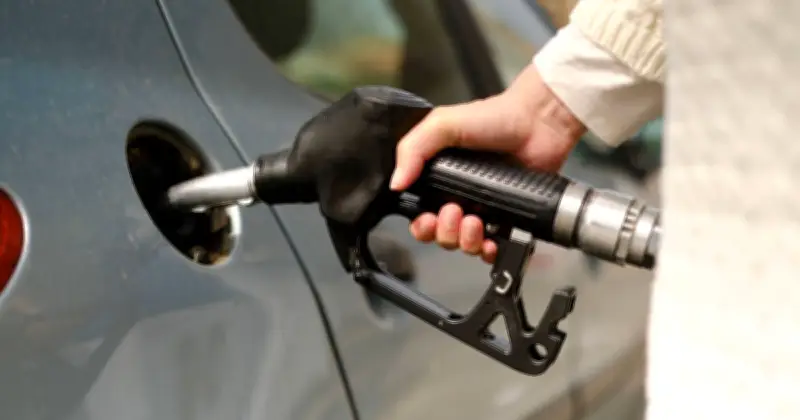
Motorists across Britain are facing record diesel prices, with the average cost per litre climbing to between 199.18p and 199.33p, according to the RAC. This surpasses the previous all-time high of 199.09p established in June 2022 in the aftermath of Russia's invasion of Ukraine.
Middle East conflict drives up costs
The spike in costs is chiefly attributed to the continuing conflict involving Iran in the Middle East, which has significantly disrupted wholesale oil production and global supply chains over the past seven months. Prices have increased by approximately 59p per litre (almost 40%) since hostilities commenced in late February.
Additionally, Britain faces particular vulnerability to these global price surges as it imports nearly 55% of its diesel consumption, a weakness amplified by recent domestic refinery closures and constrained international supplies.
Impact on motorists and the economy
These latest prices mean filling a typical 55-litre family vehicle now costs nearly £110 – around £31 more than before the conflict started. The steepest average diesel price nationwide is presently in the Outer Hebrides, where it has soared to 211.9p per litre.
Experts caution that since diesel underpins commercial transport, logistics and farming, these unprecedented fuel costs will inevitably filter through to shoppers via higher prices for everyday items and increased inflation.
Drivers suggest switching to electric
As news regarding diesel prices emerged this week, numerous Brits suggested the same solution to counter the costs when debating matters on Reddit – make the switch to electric vehicles.
One person wrote on the website: "Just a reminder that EV charging is still under 2p per mile and nobody is rationing my electricity."
While another added: "If prices keep going the way they are my next car's going to be electric."
A third chimed in: "My trusty eBike remains unaffected. People will have to use their legs or public transport to get around. How awful!"
Electric car running costs
Electric cars cost between 2p and 22p per mile to run in the UK, depending entirely on where and when you plug them in. Using a dedicated overnight EV tariff alongside a smart home charger brings a full 60kWh charge down to approximately £4.20. This renders daily commuting exceptionally economical when compared with fossil fuels.
Nevertheless, while overnight home charging proves remarkably inexpensive, depending exclusively on public ultra-rapid motorway chargers can render an electric vehicle (EV) equally costly to operate as a conventional petrol or diesel car. Pay-as-you-go public rapid chargers attract higher VAT (20%) and network surcharges. Relying on motorway ultra-rapid units for 100% of your energy requirements can cost upwards of £2,200 per year for 10,000 miles, matching petrol expenditure.
EVs contain considerably fewer mechanical parts than traditional petrol or diesel vehicles. Owners avoid expenditure on oil changes, spark plugs, cambelts and exhaust system repairs, typically saving between £100 and £200 annually on maintenance costs.
Fully electric vehicles are liable for the standard £200 yearly road tax rate, though they continue to be exempt from London's ULEZ and most regional Clean Air Zone charges.
Petrol prices also rise
Petrol prices have likewise risen substantially, reaching an average of approximately 174.13p to 174.23p per litre throughout the UK. This marks a steep rise of roughly 41p per litre (around 31%) since the Middle East conflict commenced in late February, fuelled by the same global surge in crude oil benchmarks such as Brent crude.
Since petrol is refined from the same global crude oil as diesel, increasing barrel prices ($108+/£82+ per barrel) instantly drive up production and wholesale expenses at forecourts nationwide. Yet, unlike diesel, Britain's domestic refineries generate sufficient petrol to satisfy local requirements. This buffer prevents petrol prices from experiencing the acute international shortages and record-breaking peaks witnessed with diesel.
While petrol stands at its highest point thus far in 2026, it remains comfortably beneath the historic peak of 191.5p per litre recorded during summer 2022.




