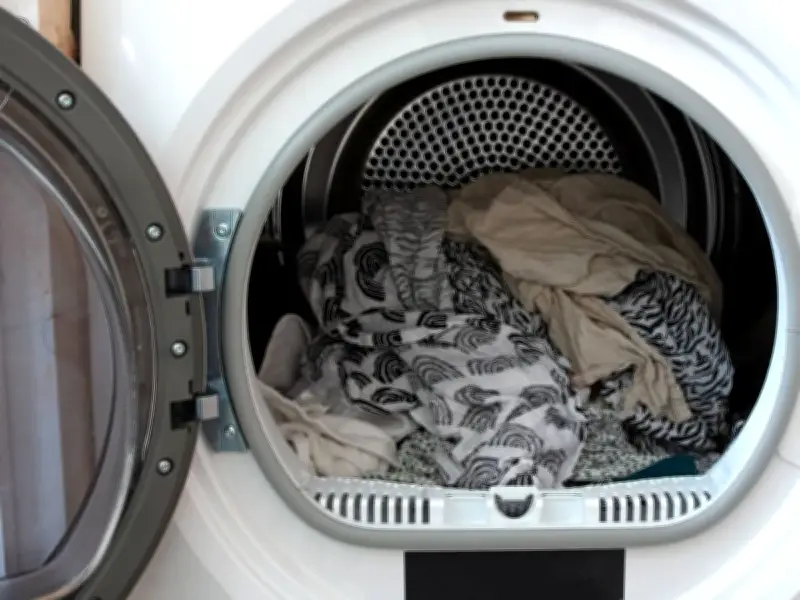
Using tumble dryer balls for roughly a year has helped cut drying time, reduce creases and keep energy bills down, according to a lifestyle reporter who says she will never go back to drying clothes without them.
Sophie Harris, Senior Lifestyle Reporter, began relying on her tumble dryer due to Britain's unpredictable climate. With energy bills continuing to climb, and tumble dryers ranking among the most power-hungry appliances in any household, she set about finding ways to cut costs without ditching the appliance entirely.
How tumble dryer balls work
Tumble dryer balls are small, typically wool-based balls placed inside the dryer. They work by reducing drying time, softening fabrics, reducing static and preventing clothes from clumping together.
Usage is simple: place one to three balls in the dryer depending on the size of the load, add wet laundry as normal and run the machine on its usual cycle. The balls bounce around inside, separating garments, boosting airflow and helping everything dry more quickly.
Cost and availability
Harris picked up a pack of three from The Range for £1, and tends to use all three when drying bedding or towels. Tumble dryer balls are also widely available in supermarkets, as well as B&M and Home Bargains.
Having used them for nearly a year, she says she would never consider drying clothes without them again. Her clothes emerge crease-free, dry considerably quicker, and when drying bedding it remains separated instead of bunching together.
Combining with dryer sheets and other tips
She also occasionally adds a tumble dryer sheet, which further reduces drying time and softens garments. When combined with the dryer balls, the pair work remarkably well, particularly on towels and bedding, and add a pleasant fragrance. However, dryer sheets are single-use, unlike dryer balls which can be reused repeatedly.
Other methods to speed up drying clothes in the tumble dryer include avoiding overloading it and running an additional spin cycle in the washing machine beforehand. For those looking to keep energy bills down this winter, a simple boiler adjustment and bleeding radiators are also suggested.