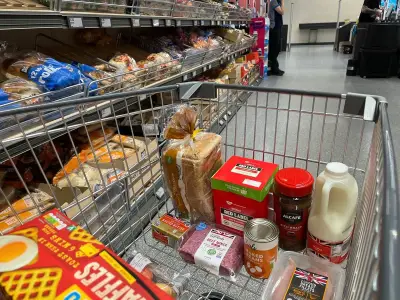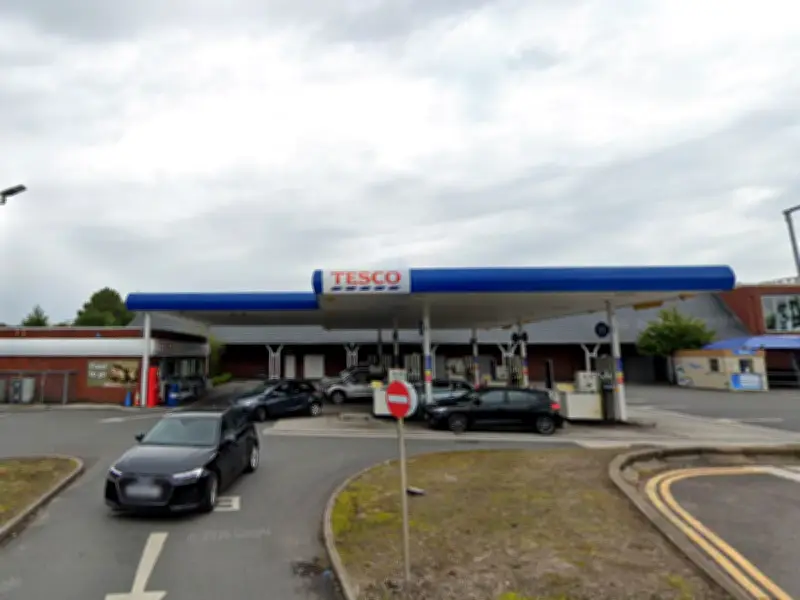
Tesco shoppers can save on fuel with a 5p per litre discount at approximately 600 UK petrol stations, but the offer ends soon. The promotion requires a minimum in-store spend of £60 to receive a voucher, which can be used at Tesco filling stations for diesel and petrol.
Voucher details and expiry
The voucher provides a maximum discount of £10 and must be presented physically when paying for fuel. The promotion runs until Sunday, August 16, with vouchers valid for redemption until Sunday, August 23.
This comes as fuel prices have reached their highest level since 2022, with the national average hitting 159.89p per litre, according to recent data. This is the steepest level since November 2022, when prices were falling from a peak of 191.55p in 2022 amid Russia's invasion of Ukraine.
Impact of Iran tensions
Donald Trump this week announced that fresh discussions aimed at resolving tensions with Iran would commence on Monday, following the US president's cancellation of what he described as "massive" military action against the nation. However, Iran has refuted claims of any renewed negotiations, and the circumstances appear likely to persist.
Reopening the Strait of Hormuz is "essential to ease cost-of-living pressures on British families," Foreign Secretary Ed Miliband has said as he headed to Washington to hold talks with his US counterpart Marco Rubio. Ensuring free passage of shipping through the vital Gulf waterway is among the issues the pair are expected to discuss, as well as the Ukraine war and tackling "the dire humanitarian situation in Gaza."
Surge in fuel theft
The rising prices have led to a surge in fuel theft. Forecourt Eye, a fuel theft prevention firm, reported that instances of unpaid fuel surged by 20% during the five months following the conflict's commencement on February 28, compared with the previous five-month period. The worth of pilfered fuel jumped by 48% during the same timeframe, hitting an estimated daily average of £194,000 across the UK's 8,359 petrol stations.
Among first-time perpetrators, incidents increased by 23% with fuel volumes stolen up 26%, while repeat offenders saw rises of 17% and 20% respectively. The data derives from reports submitted by a representative sample of 550 petrol stations, encompassing drive-offs and no-means-of-payment scenarios.
Petrol prices reached 160p per litre on Friday, approximately 27p more than pre-conflict levels, representing a three-and-a-half year peak. Diesel now costs roughly 37p per litre more than before the war, standing at 179p.
Industry response
Forecourt Eye is partnering with Facewatch to offer free access to crime reporting technology to its customers, making it easier to record fuel thefts, shop crime, and other illegal incidents. Users will also have the option of joining a live facial recognition network to alert them to known offenders.
Michelle Henchoz, managing director of Forecourt Eye, said: "As offending becomes more organised and more sophisticated, operators need joined-up technology that helps them protect both their forecourt and their convenience store."
Gordon Balmer, executive director of the Petrol Retailers Association, said its members are "reporting increasing levels of abuse and aggression towards colleagues who are simply doing their jobs and have no influence over the price displayed on the forecourt." He added: "Bringing together technologies that help retailers prevent crime, manage incidents and support police investigations is a positive step for the industry."
Ben Lawrence, a director at Lawrences Garages, which owns five petrol stations in Norfolk and Hampshire, said fuel thefts were historically often carried out by people involved in other crimes, but rises in the cost of living mean this is no longer the case. He told the Press Association there is a "misconception" that all forecourts featuring branding from energy giants such as BP and Shell are operated by those companies, rather than smaller businesses, so some drivers believe it "doesn't matter" when they fail to pay.
"It does matter to us," he went on. "When someone drives off (after taking fuel worth) £80-£90, it's hitting us, not the oil companies. We've already purchased it."