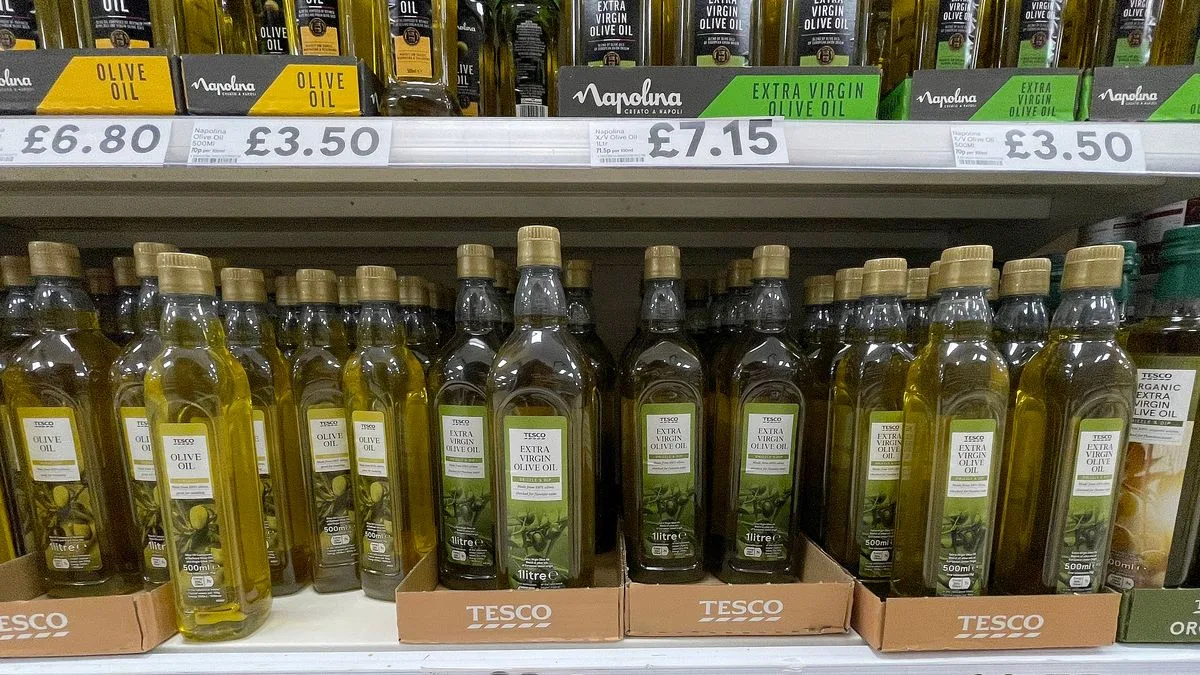
While a healthy splash of olive oil can elevate almost any culinary creation, consumers are currently facing unprecedented costs for this essential kitchen staple. The price of a 500ml bottle of Filippo Berio's extra virgin olive oil has now reached approximately £7.50, representing a staggering increase of £3.75 since 2022. This dramatic surge is primarily attributed to a series of poor harvests that have significantly driven up production expenses across the industry.
Supermarkets Under Fire for Pricing Practices
Walter Zanre, the managing director of Filippo Berio, has launched a scathing critique against major supermarket chains, accusing them of "taking the mickey out" of British shoppers. He revealed that his company implemented two separate wholesale price reductions during the previous year, yet these savings have conspicuously failed to materialise at the checkout for consumers.
"I believe what's driving this situation is that even the supermarkets themselves were surprised by how resilient shoppers proved to be when confronted with higher prices," Zanre explained during an interview with Sky News. "Consequently, the prevailing view appears to be that they don't need to pass on all the savings to customers." The executive described the current market dynamics as "immensely frustrating" for producers who have made genuine efforts to reduce costs.
The Authentication Challenge: Identifying Genuine Olive Oil
As prices continue their relentless upward trajectory for even modest bottles of olive oil, consumers face the additional challenge of determining which supermarket varieties genuinely deliver value for money. From the specific type of bottle employed to prevent light-induced degradation to precise details regarding the product's geographical origin and certification status, numerous indicators can reveal whether your preferred olive oil might be somewhat inauthentic.
Professor Maurizio Servili previously highlighted this issue to The Daily Mail, stating: "Olive oil is not an inexpensive product. It's both easier and more economical to create fraudulent versions of expensive products than cheaper alternatives." Whether you're using olive oil to impart delicate flavour notes to salads and vegetables or employing it for cooking purposes, understanding the distinction between authentic and questionable options can prevent wasteful expenditure on inferior products.
Supermarket Olive Oil Assessment
Sainsbury's Extra Virgin Olive Oil PDO Umbria Colli Martani
SOURCE: Locally cultivated Moraiolo, leccino, Frantoio, San Felice and other Protected Designation of Origin (PDO) olive varieties from Italy.
BOTTLE: Darker container constructed from non-plastic materials to prevent light damage.
VERDICT: AUTHENTIC
Waitrose NO.1 Valli Trapanesi Extra Virgin Olive Oil
SOURCE: Cerasuola, Nocellara del Belice and Biancolilla olives cultivated in Sicily's Trapanese valley. No online certification reference available.
BOTTLE: Darker style non-plastic container providing light protection.
VERDICT: AUTHENTIC
ASDA Extra Virgin Olive Oil
SOURCE: Spanish olives. No online certification reference available.
BOTTLE: Clear plastic container potentially exposing oil to damaging light.
VERDICT: ALMOST AUTHENTIC. While the country of origin is specified, the precise regional source remains unclear.
ALDI Specially Selected P.D.O Castel Del Monte Extra Virgin Olive Oil
SOURCE: Puglia in Southern Italy. No online certification reference available.
BOTTLE: Darker style container offering protection against damage.
VERDICT: AUTHENTIC
Morrisons Organic Extra Virgin Olive Oil
SOURCE: Spanish olives. No online certification reference available.
BOTTLE: Darker non-plastic container preventing light-induced deterioration.
VERDICT: AUTHENTIC
Tesco Extra Virgin Olive Oil
SOURCE: European Union origin. No online certification reference available.
BOTTLE: Clear plastic container increasing damage risk.
VERDICT: INAUTHENTIC. Despite being "made from 100 per cent olives," the absence of specific country information raises concerns about potential low quality and oil blending.
Iceland Don Mario Extra Virgin Olive Oil
SOURCE: Blend of olive oils from European Union countries. No online certification reference available.
BOTTLE: Clear plastic container elevating damage potential.
VERDICT: INAUTHENTIC. The lack of detailed origin information suggests this product may be of inferior quality compared to other olive oils.
Co-op Extra Virgin Olive Oil
SOURCE: Produce of the European Union, packed in the United Kingdom. No online certification reference available.
BOTTLE: Clear plastic container increasing likelihood of damage.
VERDICT: INAUTHENTIC. While economically priced, the vague origin details create legitimate questions regarding quality standards.
ASDA Extra Virgin Olive Oil (Second Listing)
SOURCE: Spanish olives. No online certification reference available.
BOTTLE: Plastic clear container heightening damage risk.
VERDICT: INAUTHENTIC. Despite being the most affordable option available, this product unfortunately provides insufficient detail about its precise origin.
Sainsbury's Olive Oil, Extra Virgin, SO Organic
SOURCE: Spanish olives. No online certification reference available.
BOTTLE: Darker non-plastic bottle ensuring protection against potential light damage.
VERDICT: ALMOST AUTHENTIC. While the packaging is certainly impressive, the absence of specific information about the exact Spanish region raises reasonable quality concerns.