Brits could save thousands of pounds this summer by making a few simple swaps, a money expert has said. From better savings accounts and cancelling forgotten subscriptions to shopping around, James Andrews, editor of money website Be Clever With Your Cash, said those savvy enough could save up to £2,000 a year.
Mr Andrews said: "The middle of the year is the ideal time for a quick money MOT. Most households are sitting on small savings they don't even realise are there. A substandard savings account, a forgotten subscription, an insurance policy on autopilot. None of these swaps is difficult, but often the hardest part is simply getting started."
1. Swap lazy cash for an account that pays
Mr Andrews said this swap makes the "biggest difference for very little effort". Idle cash comes in two forms: savings sitting in an old account earning next to nothing, and the comfortable cushion many people leave in a current account, where most pay 0% interest. Both are money doing nothing.
Analysis by savings app Spring found that around 6.5 million accounts holding over £10,000 were earning zero interest, with savers collectively missing out on an estimated £9.75 billion in a single year.
Mr Andrews said: "The message is simple. Every £1,000 left languishing in an account paying no interest is around £50 a year you’re missing out on, while the same money in one of the top easy-access accounts in our tables, currently paying around 5%, is £50 gained."
"On £10,000 left in a 0% current account rather than a 5% savings account, that’s £500 a year in free cash (before tax); on £20,000, it’s the difference between earning nothing and pocketing around £1,000 a year."
Savers can compare the best easy-access rates – the top deals currently pay around 5%, with instant access and no penalty for dipping in – and move their money over.
Mr Andrews added: "Anything above an everyday spending buffer can go into a cash ISA to keep the interest tax-free too, and setting up an automatic monthly transfer from a current account means it happens without a second thought."
2. Swap a forgotten subscription
One month's bank statement, given a good read, is surprisingly revealing, says Mr Andrews. He explained: "Those little £7.99s and occasional £10.99s have a way of hanging around long after they've stopped being used."
Research by Citizens Advice in 2024 showed that the average Brit pays for 2.8 subscriptions totalling £786 a year, and more than 13 million people accidentally took out a subscription over the course of 12 months.
Mr Andrews said: "Cancel the streaming service no one watches, or the trial subscriptions long forgotten, and start earning back instantly."
3. Swap auto-renew for a shop-around
Insurance is the one thing many households mean to sort out and never quite do, but loyalty rarely pays, says Mr Andrews. GoCompare found that nearly half of Brits (45%) don't bother shopping around when their renewal is due, even though motorists could save up to £362 on average on their car insurance by comparing deals on a comparison site.
Mr Andrews said: "Pop the renewal dates for home contents and building cover, motor insurance and any other general insurances into your phone now and set a reminder for around three to four weeks before they’re due. Data suggests the cheapest comprehensive quotes tend to land about 28 days before a policy is due to renew."
4. Swap “set and forget” for knowing when your contracts end
It's not just insurance, Mr Andrews pointed out. Broadband, mobile, breakdown cover, energy and gym memberships all run on contracts, and the danger zone is the moment your fixed term ends.
He said: "Once you're out of contract, a provider can quietly bump up your monthly fee, and some contracts auto-renew with no easy get-out clause, leaving you locked in for another 12 months, or however long the deal runs, before you can move without penalty."
Broadband is the classic example. Ofcom data shows that out-of-contract customers typically pay around £5 to £12 a month more than new customers, and on some deals, the jump is £20 or more. Comparison site GoCompare estimates around 5.9 million households are out of contract and overpaying as a result.
Mr Andrews said: "That's easily £150 to £200 a year on broadband alone, before you even look at mobile or breakdown cover, for example. Knowing the end date is key to managing those unexpected contract renewals."
The money expert suggested people list the end date and renewal terms of every rolling contract – broadband, mobile, TV, breakdown, gym and so on – and set a phone reminder a month before each one ends.
Mr Andrews said: "Check whether it auto-renews and how much notice you need to give to leave, so you can switch or haggle before any out-of-contract price rise kicks in rather than after."
5. Swap big brands for own label
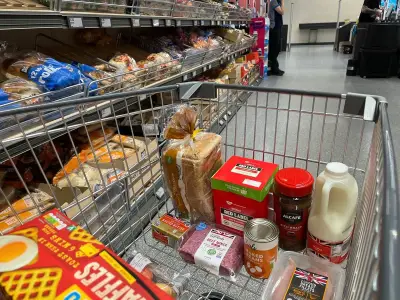
Mr Andrews said: "Switching just five branded staples – cheese, bread, loo roll, baked beans and cereal – to own label could save around £539 a year, according to analysis by VoucherCodes."
"Start with simple items such as bread, flour, washing-up liquid and tinned veg, and take it from there."
6. Swap the daily "big shop" top-ups for one planned trip
It's the "I'll just nip in for milk" runs that add up, says Mr Andrews. Many shoppers come out with a basketful having popped in for one thing. Mr Andrews suggested doing one planned shop a week, ideally with a list, which means fewer impulse buys and less food going soft at the bottom of the fridge.
7. Swap "I'll sort it someday" for one productive afternoon
None of these swaps are hard, but it's the putting it off that costs people, says Mr Andrews. He said: "Pick an afternoon, make a brew, and run through the list. By the time the kettle's gone cold, households could be quids in, with the added bonus of a real sense of achievement."
The single best place to start? Savings. It's the swap with the biggest payoff for just a little effort.