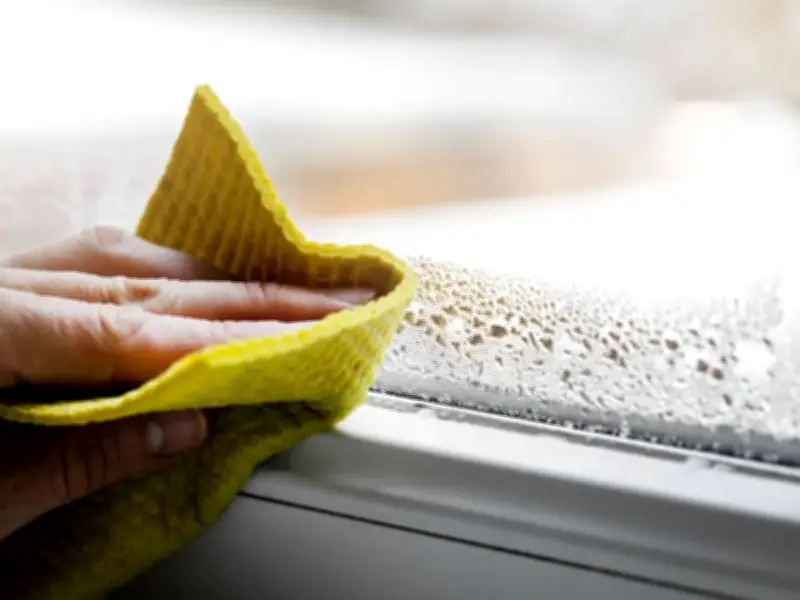
As November brings colder weather, many households are waking up to condensation streaming down their windows. This occurs when warm indoor air meets cold surfaces like glass and exterior walls, turning invisible moisture into visible water droplets overnight.
While steamed-up glass may seem harmless, ignoring it can lead to persistent damp, black mould, and damaged paintwork. It can also make rooms feel colder and harder to heat. The consumer experts at Which? have shared five straightforward ways to tackle the problem in a TikTok video.
Ventilate and Dry Surfaces Daily
Opening windows daily is the first recommendation. Even though it feels counterintuitive when it is cold outside, letting moisture escape is essential. The experts advise: "If you notice any condensation, open windows or vents." Even a few minutes of open windows each day pushes out humid indoor air and replaces it with drier outdoor air.
If water is still pooling on windowsills, it is sensible to dry them off each morning with a cloth or window vac. Which? notes this technique should also apply to other moisture-prone areas. The video adds: "You can even dry the bath and tiles after you shower or take a bath."
Adjust Chores and Use a Dehumidifier
Everyday tasks like cooking and drying laundry pump significant moisture into the air. "If you have to hang wet clothes indoors, make sure you have a window open," the experts suggest. "When cooking, put lids on pans to lock in that moisture. If you have an extractor, use that too, and if not, open a window now."
Investing in a dehumidifier can also help. While they won't remove existing mould, they are effective at drawing excess moisture from the air to prevent it from growing. For a centrally heated room, Which? recommends a refrigerant (or compressor) model. They explain: "You just need to place it in the centre of your home and keep internal doors open." For chilly spaces like a garage or conservatory, a desiccant model is needed, as it doesn't rely on warm air to function.
Maintain Steady Heating
Finally, avoiding massive temperature spikes in the home is key. The experts advise: "Try to prevent sudden rises and falls in air temperature, as this can increase condensation. Keeping your heating on low and constant will help, as will draught excluders." These simple adjustments can be implemented immediately and could make a significant difference in preventing condensation-related damage.