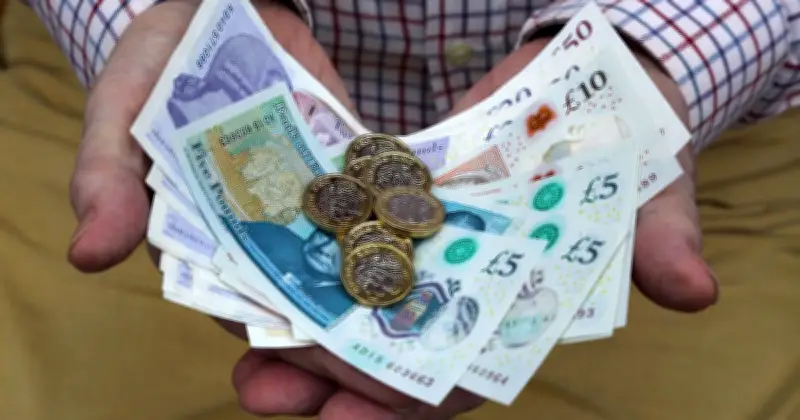
Some state pensioners will receive a boosted September with a second DWP state pension payment worth up to £965.20, depending on their National Insurance circumstances.
Those who retired after April 2016 can get a maximum of £241.30 per week in their basic state pension payment, assuming a full National Insurance record. In April 2016, those qualifying for a state pension would have been aged 66, meaning the oldest a new state pensioner could be now is 77, depending on where their birthday falls.
Why some get paid twice in September
Both older and new state pensioners can receive two state pension payments in September due to the way the long five-week month falls. Though state pension figures are often reported as weekly figures, DWP state pension payments are actually paid for every four-week period.
That means that for every four weeks, new state pensioners will get up to £965.20 from their basic rate state pension payments, as long as they have maximised their National Insurance record.
Who is eligible for the double payment
Exactly when you are paid depends on the last two digits at the end of your National Insurance number. According to the DWP, those whose NI number ends in digits between 40 and 59 are normally paid on Wednesdays. Because September 2026 has five Wednesdays, younger state pensioners with these National Insurance numbers can get paid their state pension twice in September 2026 – for a total maximum of £1,930.40 from the two basic rate payments, assuming a full National Insurance record.
The same is also true of Tuesdays – there are five Tuesdays this month as well, so depending on when you normally get paid, you could also be in luck if you get paid on Tuesdays.
Impact on tax and future changes
Those with incomplete records will see lower total take-home for their pension payments, depending on how far off the full record they are, which the DWP calculates on a case-by-case basis when you first hit state pension age.
The annual sum of basic rate state pension payments for a younger state pensioner comes to £12,547. Crucially, this is still below the threshold for Income Tax, although it does mean that any other income, such as savings interest, work or letting a property, could tip you into owing tax to HMRC.
The Chancellor has also announced that in future, state pensioners who exceed the £12,570 Personal Tax Allowance will not owe tax on their state pension, but this relies on having no other income. Details of exactly how this will work are still yet to be confirmed by the Treasury, but the next Budget, on October 28 – the first under John Healey – is expected to shed more light on the specifics. The scheme was first announced by ex-Chancellor Rachel Reeves, but new Prime Minister Andy Burnham has committed to keeping the exemption in place in his speech to the Labour Party Conference this week.