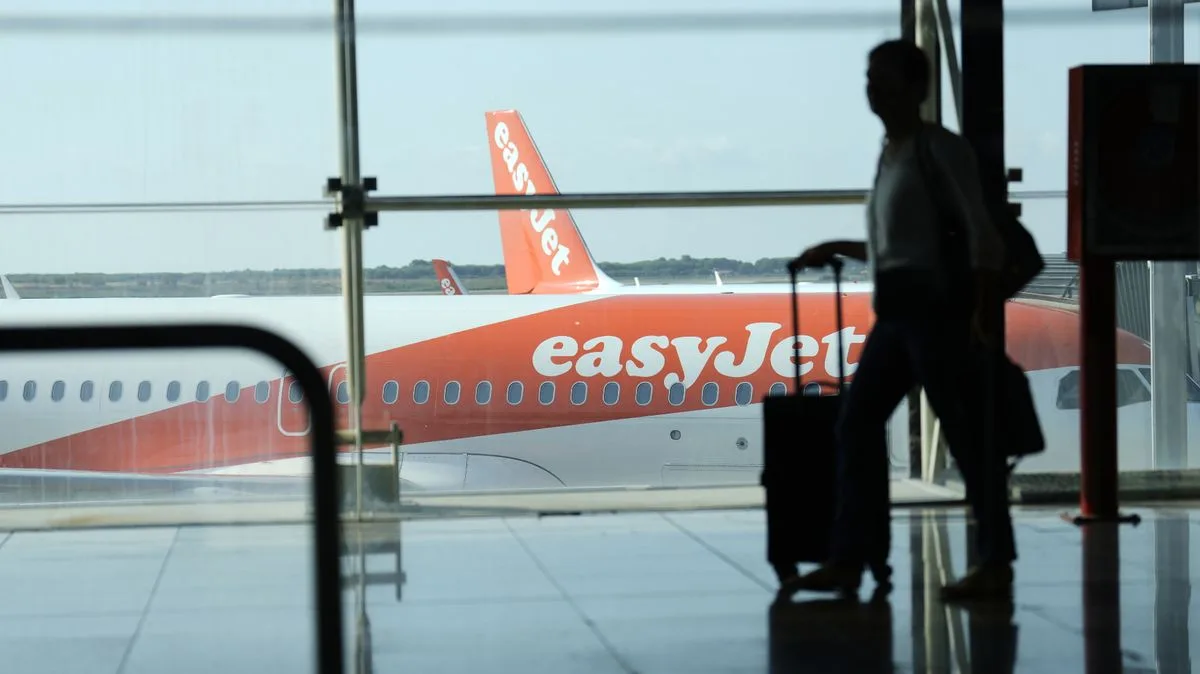
Travellers are being reminded to check airline policies on 'smart' luggage after a passenger was reportedly refused boarding on an EasyJet flight. The incident, highlighted on social media by Pandora Sykes, involved a suitcase with a USB port that could not be easily removed from the bag.
Smart bags typically contain a lithium battery or power bank, enabling features such as device charging, electronic locks, and Bluetooth or Wi-Fi connectivity. Their growing popularity has prompted airlines to clarify safety restrictions, which vary between carriers.
EasyJet requires passengers to disconnect and remove the lithium battery or power bank from smart luggage before it can be accepted, whether the bag is carried in the cabin or placed in the hold. The battery must be taken into the cabin, and exposed terminals should be protected against short circuits. If the battery cannot be readily removed, the bag will not be allowed on board.
Ryanair has similar rules. A smart bag may be taken as carry-on baggage only if the lithium battery is removed and kept with the passenger at all times. For checked luggage, the battery must be taken out before the bag is handed to staff. Bags with non-removable batteries are not accepted in either cabin or hold.
Both airlines cite safety reasons and guidance from the Civil Aviation Authority. Passengers are advised to review the specific conditions, including battery watt-hour (Wh) ratings, and to check with partner airlines when travelling on codeshare flights.