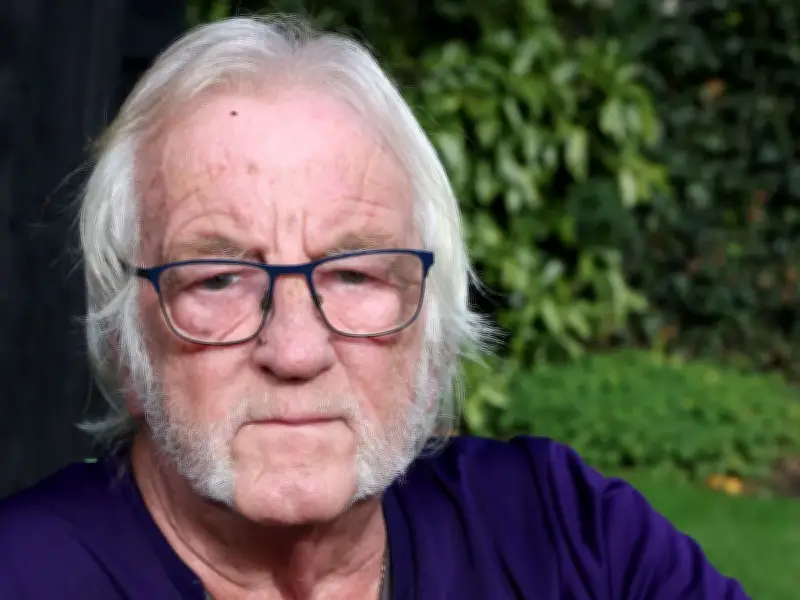
Alan Griffiths, 74, who lives in Runcorn, has a breathing machine and several chronic health conditions, including lung disease, low blood pressure, joint disease and arthritis. These conditions leave him effectively housebound and, with his two sons not living close by, he is reliant on his telecare alarm installed in his home. This allows people who are at risk or vulnerable in their own home to get assistance from Halton Council when they need it by pressing a button on an alarm or a wearable pendant.
Alan says he was told last month that, after being free for some time, the council would now be charging him £41 a month for the alarm, which works out at £492 per year. He says he has requested the alarm to be taken out as he can’t afford it, and he believes the council are putting him at risk by introducing the charge.
‘Cost of living scandal’
Speaking to the ECHO, Alan said: “I’ve got an electric bed. I’ve got this breathing machine. I’m a walking medical unit. I’ve got asthma, COPD, low blood pressure, osteoarthritis, spondylitis. I’m a walking nightmare.
“(Telecare is) for my health. If I have a fall, you're supposed to press a button and they'll say, ‘you're all right,’ or ‘you need an ambulance’.
“They've just decided they're going to charge for it. It's absolutely ridiculous. I would call it a cost of living scandal. A few weeks ago, I got a letter saying they're going to charge.
“(Not having it) is a danger to me and everybody else. I do have falls, I have blackouts and I can't move very fast because I have low blood pressure.”
Concerns for other users
Alan says it isn’t just him who has been outraged by the decision. He said: “I have two nurses come out every month to visit me. I told them about telecare - they were shocked, they didn’t know anything about it.
“When I said I’d put a complaint, they said, 'well done you'. Because it’s not just me at stake, it’s everybody (who uses telecare). I believe there’s a lot of people who are on it.
“I've got two sons. There'll be some people that have not got any relatives to even contact. With my relatives living so far from me, what's going to happen if I'm stuck on the floor or something falls on top of me or whatever?
“It’s a complete danger. In the winter, this bungalow is like a prison. In the summer I can sit in the garden. You’re on your own, you don’t know who to talk to and your mind wanders. You don’t know what’s going to happen to yourself.
“It's what's typically called a lifeline. They call it telecare, but it's a lifeline.”
Alan is sceptical of the council’s reasoning for the decision to introduce charges. He said: “The letter just says, we are now going to charge. Their excuse will be, we can’t do anything else because of budget cuts. But they still have firework displays. They don’t even brush the streets now.
Council response
In response, a Halton Council spokesperson said: “While Telehealthcare services were previously provided free of charge to some users in Halton, following careful consideration the council’s executive board took the decision to extend charging to all users, to ensure the long-term viability of the service.
“In July, residents who had previously accessed the service free of charge were contacted by letter to make them aware of the change in charging arrangements.
“Halton Borough Council’s adult services staff continue to work closely with vulnerable residents to understand their individual circumstances, ensure appropriate care and support arrangements are in place where needed, and to help people access any benefits, financial assistance, or additional support to which they may be entitled. Council staff are continuing conversations with Mr Griffiths along these lines.
“Like many councils across the country, Halton Borough Council faces significant financial pressures. Despite these challenges, we remain committed to helping residents live safe, independent lives.
“As these changes are implemented, we will continue to listen to feedback from service users, work closely with those affected, and ensure people can access the care, support, and financial assistance available to them where needed.
“None of the equipment Mr Griffiths had in place has been removed, and currently he won't be invoiced when the invoices are sent out in November. This is while staff work through the complaint and try to work with Mr Griffiths to find the best solution.”