

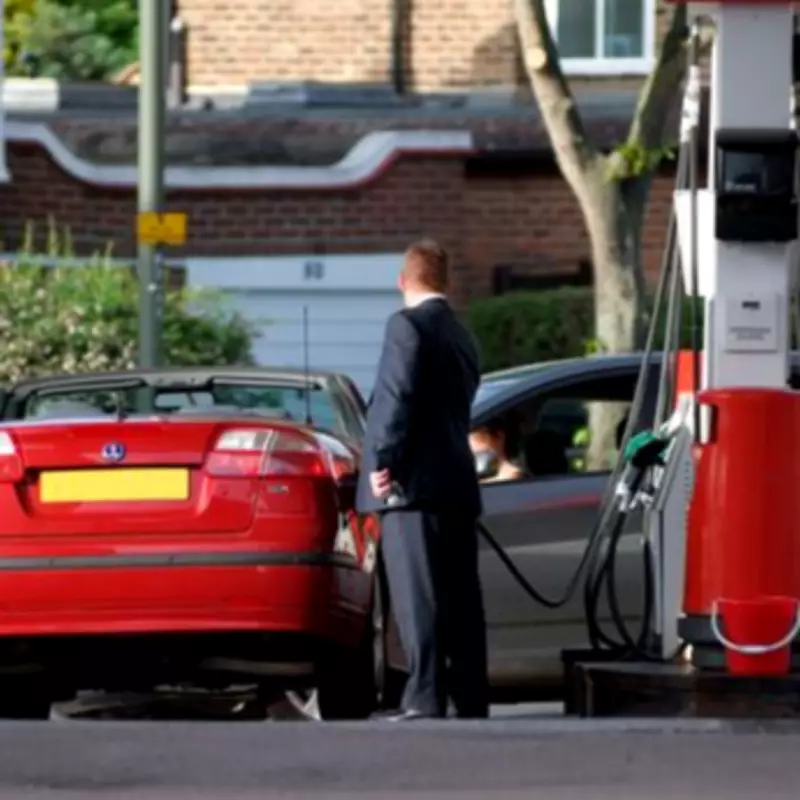
With fuel prices remaining high, many drivers are tempted to shop around for the cheapest option, often turning to supermarket petrol stations. But does cutting costs also cut benefits for your engine? The RAC and Kwikfit have weighed in to provide clarity.
Is Supermarket Fuel Bad for Your Engine?
According to the RAC, for most petrol cars, the only major mistake is putting diesel in a petrol engine, not choosing supermarket fuel over branded options like Shell or BP. The motoring organisation states: "In short, no. There aren't any major differences between supermarket and branded fuels. Supermarket fuel conforms to the same standards (the British Standard) as branded fuels."
Every engine is designed to work with supermarket fuel, and modern engines have systems that automatically prevent issues like knocking. While higher-grade fuel can offer some efficiency gains, these are often insignificant compared to factors like driving behaviour, vehicle load, tyre pressures, and traffic conditions. Drivers paying around 14p more per litre for super unleaded are unlikely to see notable benefits.

Should You Use Premium Fuel?
Premium fuel may improve performance and efficiency in high-performance cars, as some brands include detergent additives that keep the fuel injection system clean. However, for many cars, premium fuel makes no discernible difference and could be an unnecessary expense. The RAC advises checking your vehicle's handbook before upgrading.
Kwikfit echoes this, noting that premium fuel delivers more power due to higher octane and can lead to a healthier engine over time. However, studies show that using premium fuel occasionally—such as once every five fill-ups—still provides benefits like engine cleaning and lubrication. The key is to consult your car's handbook to determine the right fuel for your vehicle.






