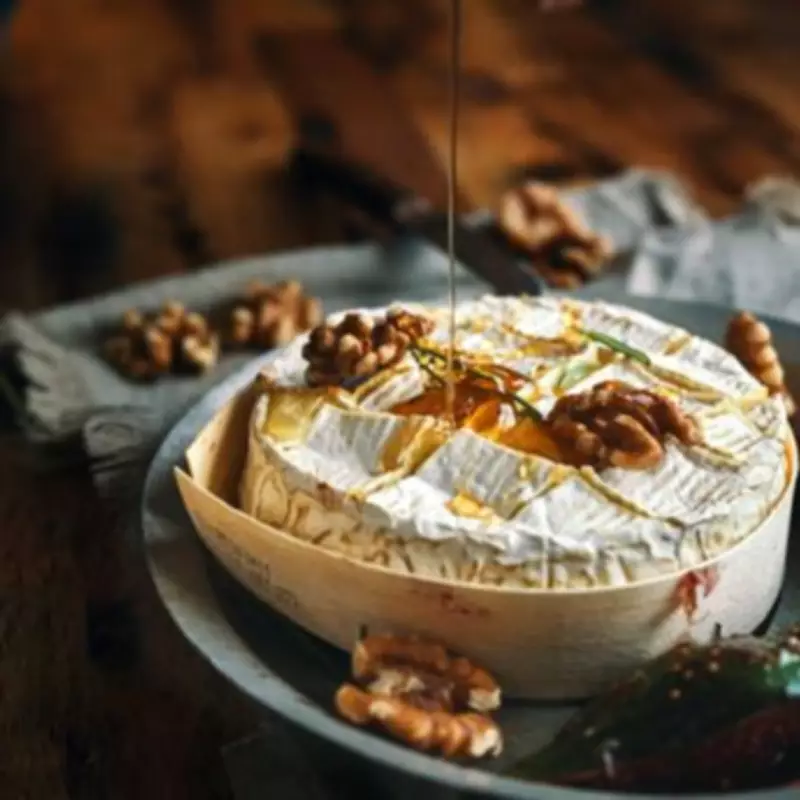
Amy Hilton experienced a culinary shock during a recent London pub visit, after ordering a Camembert starter priced at a hefty £18.50. The diner, who chose not to name the establishment publicly, was left stunned when she made a grim realisation about the cheese's origins.
The Costly Discovery
After tasting what she described as a less-than-premium cheese, Hilton investigated the packaging and discovered it was Cricket St Thomas British Camembert Cheese. A quick online search revealed the identical product was available at Tesco supermarkets for just £2.75 - representing a staggering £15.75 markup by the pub.
Social Media Outrage
On TikTok, Hilton expressed her frustration, captioning her video: "Not another daylight robbery. At least cover it up." She added pointedly: "FYI, I wouldn't recommend buying this from Tesco either," suggesting the cheese quality was disappointing regardless of price point.

The video sparked immediate debate among viewers about restaurant pricing practices. One commenter noted: "Even as an accountant, I'm struggling to justify the markup," while another declared: "£18.50 for bread and cheese is criminal."
Quality Concerns Amplified
Hilton's experience resonated with numerous Tesco customers who had left negative reviews about the same cheese product. One particularly scathing review stated: "I have eaten many different Camemberts, and this is by a long, long, long way the WORST one I have ever eaten. It has no real flavour other than a vague soap taste, and the texture is slimy."
Another customer complained: "Very bland. Missing the strong taste and smell of other brands of Camembert I've bought previously. Disappointing." These reviews highlighted concerns about both the cheese's quality and its value proposition at any price point.
The Restaurant Pricing Debate
The incident ignited broader discussions about restaurant economics and customer expectations. One viewer defended pub pricing, commenting: "You're not paying for bread and cheese though. It's staff wages, energy bills, rent, cleaning etc... if you want bread and cheese for cheap then have it at home."
However, others challenged this perspective, with one person arguing: "Missing the point, the pub should be offering a quality product from a decent supplier - not serving a poor quality Tesco value product and charging gastro pub prices."
Another commenter questioned fundamental expectations: "Well, hate to say, did you think the pub was going to make their own?" This prompted responses about restaurant responsibilities, including one stating: "Going to a restaurant, the whole point is them making some sort of effort with the produce and food they sell. Understand the margins are tiny these days, but they can do better."
Not All Negative Feedback
Despite the criticism, some customers praised the Cricket St Thomas Camembert, with one reviewer noting: "Lovely cheese. Nowhere as pungent as French camembert, which has a tendency to stink the fridge out. For me, it's just as nice as other camembert cheese, and I will definitely be buying it again (and again)!"
This divergence of opinion highlights how personal taste influences perceptions of value and quality in the dining experience.
Broader Implications
The incident raises important questions about transparency in restaurant sourcing and appropriate markup levels. With London dining costs frequently criticised as excessive, customers are increasingly scrutinising whether prices reflect genuine quality or simply capitalise on location and ambiance.
Hilton's experience serves as a cautionary tale for diners and establishments alike, emphasising that in an age of instant price comparisons and social media exposure, restaurants risk reputation damage when perceived as offering poor value propositions.