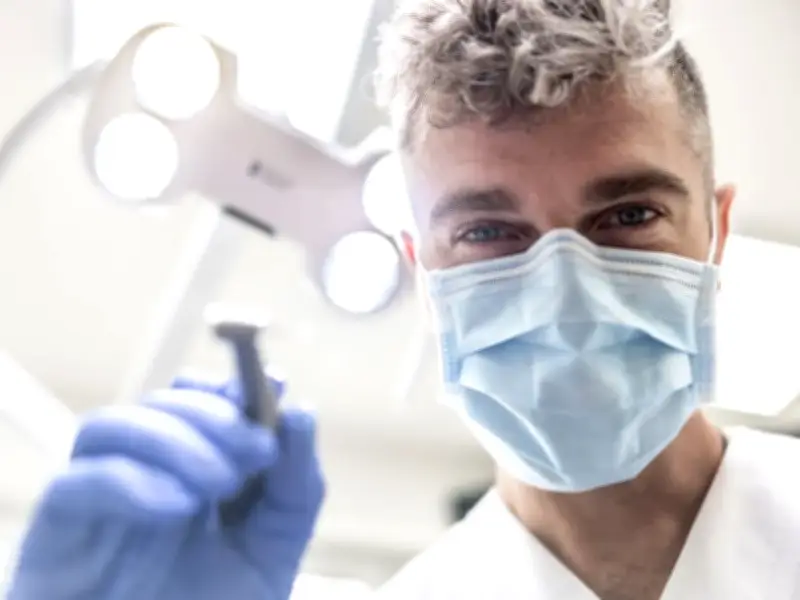
An investigation by consumer group Which? has revealed that Brits unable to get an NHS dentist are being overcharged by private practices, sometimes by thousands of pounds. The probe uncovered botched procedures, overcharging, and patients unwilling to complain due to fears of losing access to a dentist.
In one case, a man was initially quoted £3,400 for a root canal following a football injury, but his costs ballooned past £10,000 when several failed treatments meant he was repeatedly charged for further appointments to fix it.
Survey findings on private dental problems
Which? investigators screened 5,848 Brits, and as many as 17% said they or their children had experienced a problem with private dentistry in the last two years. Of the 1,009 adults polled, 22% paid more than quoted, 26% were dissatisfied with the quality of their treatment, and 10% said a clinical mistake had been made by their dentist.
The survey also showed 16% reported high-pressure sales tactics, such as feeling pushed into specific treatments or monthly dental payment plans. Overall, 39% said costs were “excessive”.
Patient stories of escalating costs
Which? conducted in-depth interviews with 10 survey respondents, including Marc, whose dental bill had escalated to £10,000. Marc ultimately recovered 66% of the associated costs after filing a complaint with the Dental Complaints Service, but told Which? he decided not to pursue further compensation because he feared being left without access to dental care.
Another man called Richard had a routine crown replacement but was left in agonising pain with exposed tooth roots. He was moved between different practices within the same corporate group, with his total costs eventually rising above £2,000. Young mum Becky told investigators she felt “held ransom” after querying an incorrect £125 fee following a whitening offer, with her practice refusing to book routine check-ups for her and her child until the disputed sum was paid.
Lack of watchdog for private patients
Which? says that unlike the NHS, there is no independent watchdog which private patients can complain to, and it demanded an overhaul of the private dentistry sector. Its polling showed that 62% of those surveyed who experienced a problem chose not to complain to their practice, with the most common reason being fear of damaging their relationship with their dentist at 31%. Even among those who did complain, 46% said they received only a verbal apology without a financial or clinical resolution.
Unlike NHS patients who can escalate unresolved complaints to the Parliamentary and Health Service Ombudsman, private dental patients have no equivalent ombudsman. Patients must first complain directly to their dental practice, and if the issue remains unresolved, they can approach the Dental Complaints Service, which can help facilitate mediation and make recommendations.
Sue Davies, head of consumer protection at Which, said: “Our research found people facing unexpected bills, treatment problems and complaints that ended with little more than an apology, while some were too worried about damaging their relationship with their dentist to complain at all.” She added: “People paying hundreds or even thousands of pounds for dental treatment should have clear rights when something goes wrong yet private patients can be left with nowhere meaningful to turn. The government and regulators must ensure that consumers can access a mandatory independent ombudsman for private dentistry, with powers to make binding decisions and award redress, alongside compulsory signposting to the complaints process.”
Growth of private dentistry and funding concerns
This year, a Competition and Markets Authority report concluded that private dentistry had grown from 42% of the market in 2010 to 69% in 2025, driven largely by a collapse in access to NHS dentists. NHS dental funding for England remained at around £3 billion for more than a decade under Conservative governments, failing to keep pace with inflation and population growth. By the time the Tories left power, this funding was only enough to fund care for half the population, with the British Dental Association calculating they had overseen a £1 billion real-terms funding cut.
Labour increased the annual budget to £3.5 billion for 2024/25, but the BDA said an extra £1.5 billion was needed to rescue NHS dentistry. Labour has committed to reforming the NHS dental contracts which sees dentists make a loss on some more complex appointments, though it is unclear whether it will commit the extra funding needed. The Department of Health and Social Care has been approached for comment.
Eddie Crouch, chair of the British Dental Association, said: “Every dental patient deserves safe, high-quality care, clear information about costs and somewhere meaningful to turn when they’re not satisfied. But these findings need to be put firmly in perspective. Which? set out to survey people who had already experienced a problem with private dental care. The evidence is clear the overwhelming majority are satisfied with the care they receive. There is an elephant in the room here. The extraordinary growth of private dentistry is the direct consequence of successive governments failing to fix and fund NHS dentistry.”