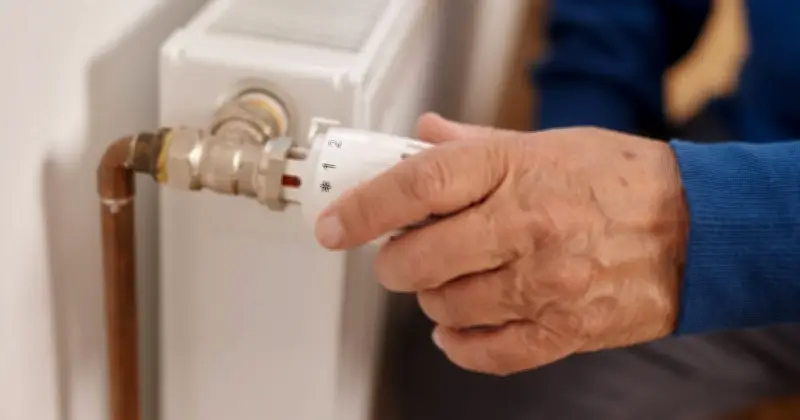
Three plumbing specialists have told Express.co.uk that, for most households, leaving the heating running all day is more expensive than switching it on and off as required. Their advice comes as temperatures have fallen into single digits this month, prompting many Britons to turn on their heating despite the cost of living crisis.
Expert Views on Heating All Day
Martin Garbutt, Head of Technical Governance at Ding, said the answer depends on the type of thermostat you have. For those without a smart thermostat, he noted that previous studies have shown that leaving heating on low all day is actually more expensive than switching it on and off as needed.
His recommendation is simple: "Turn the heating on only when you need it, to help save energy and money."
Exceptions and System Dependence
Stephen Hawkinson, a heating expert at Electric Radiators Direct, agreed that the answer can depend, but on the whole it is not recommended. He explained that even a well-insulated house loses a small amount of energy when the heating is on, so keeping it on all day means losing energy all day.
However, he noted an exception: "If your home struggles with condensation, keeping the heating on at a steady level throughout the day is wise, as condensation is less likely to build on warm surfaces such as walls and windows." He suggested using programmable timers or smart controls to align heating with your routine.
Practical Advice for Winter
Lee Saunders, a plumbing and heating specialist at Toasty, reinforced the views of his colleagues while noting it depends on the individual system. He said that bringing a cold room up to temperature often requires more energy than maintaining a steady, lower background heat.
He added: "Pairing this with short boosts when needed, can help ensure you stay cosy, without breaking the bank, particularly during colder months. Your thermostat doesn't act as an accelerator, it just alerts the boiler when to stop heating not to heat faster."