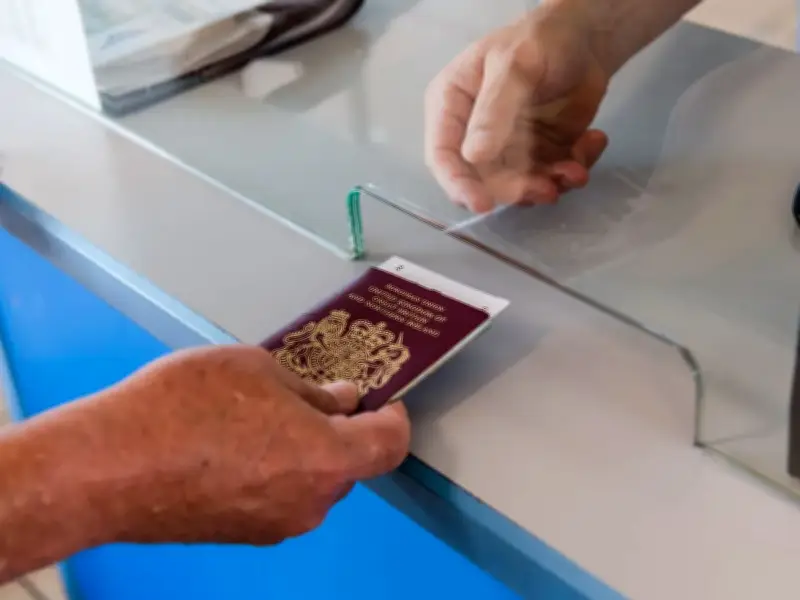
A Personal Independence Payment (PIP) claimant was unable to see their sick mother before she died after the Department for Work and Pensions (DWP) lost their passport, an official report has found. The case was published in a new report looking at complaints to the DWP investigated by an independent examiner over the last 12 months.
The claimant's case has prompted an apology from the DWP after the report's release. It is one of a soaring number of complaints to the service, with the report stating there were 10,965 complaints in 2025-26, up from 3,835 in 2020.
What happened in the claimant's case
The report detailed how the claimant, referred to as Customer H, sent in a passport as part of a PIP claim. PIP is a benefit that can help with the extra costs of living with a disability or long-term condition.
According to the report: "When Customer H claimed Personal Independence Payment, they were asked to provide evidence, including their valid passport, to show their residence status (to confirm whether they were entitled to receive benefits whilst living in this country). DWP provided an envelope for them to send it in. Customer H posted a ‘large letter’ noted by the Post Office as weighing 0.050kg (the average weight of a passport is 0.042kg) – the Post Office also provided a tracking number."
When DWP receives a valuable document through the post, their Mail Opening Unit (MOU) should record receipt, scan the document on to the system, notify the relevant part of DWP, and return the valuable document to the customer. However, when Customer H contacted DWP to request the passport back so they could travel to visit their ill mother, they were told that DWP hadn't received a passport, only a letter. A search of the MOU found nothing showing in their records, so they didn't believe the passport had been received.
Customer H complained and asked for compensation to replace the passport. In the final response, they were told DWP hadn't received it and should contact Royal Mail. When Customer H escalated the complaint, they said that due to the lost passport and delays in getting another, their mother had died before they were able to see her.
Examiner's findings and recommendations
The examiner's evaluation found that the weight of the 'large letter' was consistent with the average weight of a passport. The report concluded: "So, on the balance of probability I believed it was more likely than not, that DWP had received the passport, but lost it."
The complaint was upheld. The examiner recommended that DWP make a consolatory payment of £400 and "consider reimbursing Customer H the cost of purchasing a new passport if they showed evidence of purchasing one."
The report says it aims "to influence DWP service improvements by providing valuable insight from what we see." Between 1 April 2025 and 31 March 2026, ICE received 10,965 complaints, of which 3,215 were accepted. DWP caseload is increasing, with 8.4 million people on Universal Credit in May 2026, up from 7.7 million in May 2025.
Rising complaints and DWP response
Independent case examiner Joanna Wallace wrote in the report: "The handling of complaints has important impact on public trust. We see customers are more willing to challenge decisions and for perceived unfairness and poor communications to be issues, along with emotionally driven concerns such as frustration, anxiety and loss of control."
Customers readily use escalation from DWP businesses to the office if they feel the final response has not recognised all that went wrong or the impact on them. Any customer who has had a negative experience with DWP services is able to complain.
The DWP's Customer Experience survey has reportedly shown a continued increase in Universal Credit satisfaction scores to 88%. Officials say this reflects the upward trend in overall DWP satisfaction scores. Sources say the DWP is already taking action to improve and modernise its services, including a new Quality Assurance Standards Framework and the Health Transformation Programme, which is modernising health and disability benefit services and transforming the PIP service.
A DWP spokesperson said: "We apologise for mistakes made in these cases and strive to get it right every time. Of our 20 million customers, fewer than 1% complain, with our most recent survey showing satisfaction in the Department is increasing. We are not complacent, however, and continue to listen and act on feedback to ensure a consistent quality service is provided."
To claim PIP, visit the government's dedicated web page. To read the full report, go to the Independent Case Examiner's website.