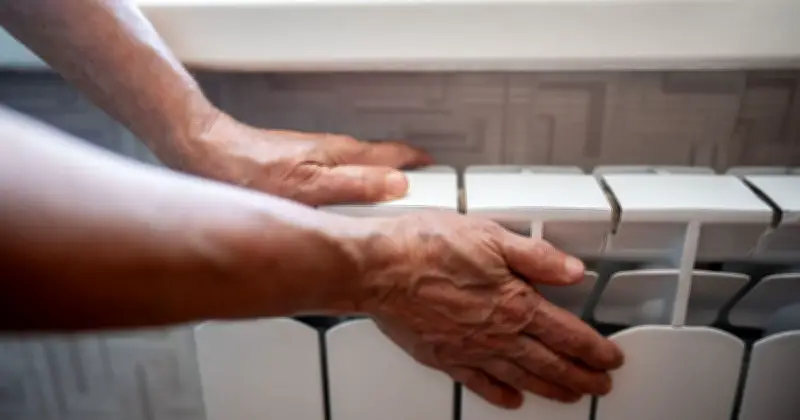
Radiator reflectors, a budget-friendly household upgrade, can make radiators work more efficiently and reduce annual heating costs by £18 to £25, according to the Energy Saving Trust.
With UK temperatures dropping into single digits, many households are turning on their central heating. Official guidance from the UK Health Security Agency and the NHS advises that when outdoor temperatures fall below 15C, living spaces should be heated to at least 18C to prevent respiratory infections, hypothermia, and damp or mould growth.
However, the latest Ofgem energy price cap has risen to £1,723 per year for a typical dual-fuel household paying by Direct Debit, a £60 quarterly increase. Heating engineers say an underpowered boiler is rarely the reason radiators feel lukewarm, and consumer experts suggest simple fixes can prevent heat escaping through walls.
How Radiator Reflectors Work
When a radiator is mounted against an external-facing wall, a significant portion of its heat radiates backwards into the cold masonry instead of circulating across the room. Consumer experts at Which? recommend radiator reflectors as one of the most cost-effective upgrades for uninsulated exterior walls.
Purpose-made reflective panels are available at hardware stores such as B&Q or online at Amazon for around £20–£25. These panels feature a specialised foil face and thermal backing that reflect radiant heat back into the living area.
Installation and Savings
Energy specialists at Uswitch caution against using standard kitchen foil, which oxidises quickly, deteriorates, and lacks the insulating backing needed to reflect heat. Installing purpose-built panels takes less than 10 minutes per radiator, requires no wall drilling, and can save £18 to £25 annually, according to Energy Saving Trust calculations.
Cleaning radiators is also important for performance. Checkatrade's heating experts noted: "Dust can create a layer of insulation around your radiator, lowering its performance. Meanwhile, dirt and debris can obstruct your radiator's vanes."
How to Clean Radiators
To clean radiators, ensure they are switched off and cool, then hold a vacuum nozzle against the grate or slats for a few seconds to remove dirt. If needed, use a hair dryer to blow out remaining dust, then vacuum it up. A radiator cleaning brush, available at most hardware stores, can help remove all debris and dust. Finally, wipe the radiator's exterior with soapy water and a cloth, then dry with a microfibre cloth.